Guaifenesin is an expectorant — a medicine that helps clear a chesty, mucus-filled cough. It is one of the most common active ingredients in the cough syrups sold across Nigerian pharmacies and patent medicine stores, appearing both on its own and blended into combination cold-and-cough products. Well-known brands containing guaifenesin include Benylin Chesty Cough and Robitussin, alongside many affordable local generics.
In the NAFDAC register
29 registered products
from 24 registration holders
What it costs online
about ₦21,000
≈₦167 per ml (syrup/suspension)
1% since July 2026 · like-for-like
Sampled from 9 listings across HealthPlus and MedPlus and Supermart.ng · October 2026
Full price breakdown →Brands of Guaifenesin in Nigeria
Those 29 products from 24 registration holders, counted in our October 2026 copy of the register, include combination products and older listings; below are the most common brands.
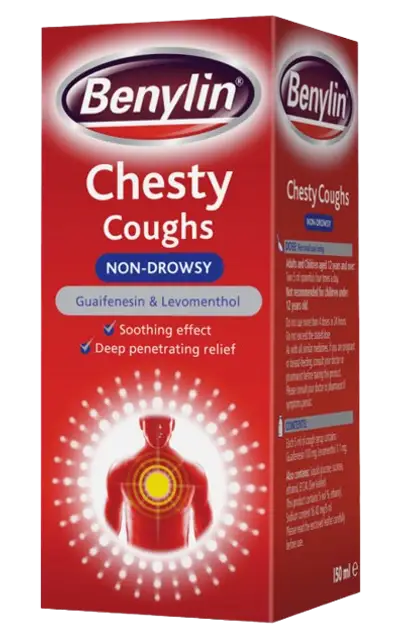
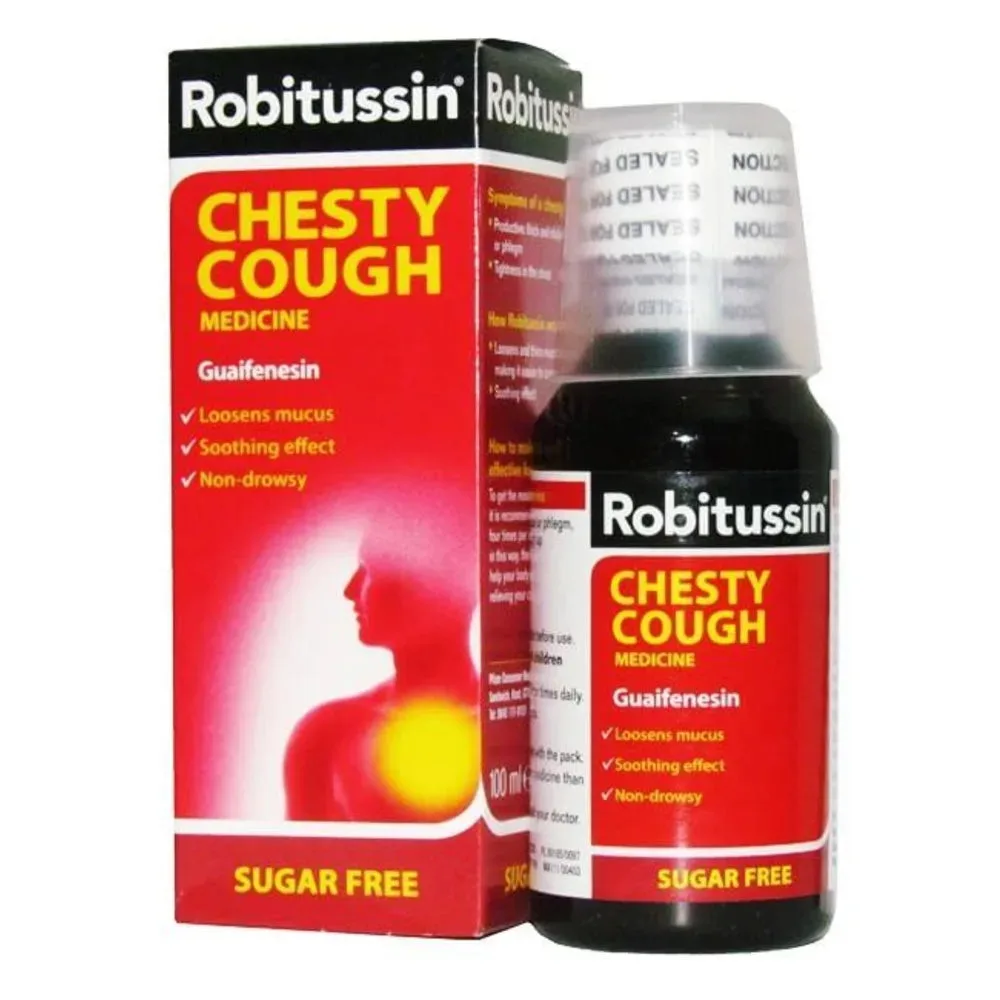
- Guaifenesin 100mg/5mL + Salbutamol 2mg/5mL + Bromhexine 4mg/5mL + Menthol 1mg/5mL · Syrup · B4-6598
| Brand Name | Manufacturer | Strength | Form | NAFDAC Reg. No. |
|---|---|---|---|---|
| Kenvue | 100mg/5ml | Syrup | |
| Haleon | 100mg/5ml | Syrup | |
| Shaltoux | Shalina Healthcare Nigeria Limited | Guaifenesin 100mg/5mL + Salbutamol 2mg/5mL + Bromhexine 4mg/5mL + Menthol 1mg/5mL | Syrup | B4-6598 |
Guaifenesin Price in Nigeria
As of October 2026, Guaifenesin syrup sells for about ₦167 per ml online in Nigeria (packs ₦14,550–₦43,600) at three online pharmacies. The online price is down 1% since July 2026. Open-market prices (e.g. Idumota, Ogbogwu) are often lower.
Online retail (sampled)
Same medicine throughout — every listing contains Guaifenesin. The difference is brand and pack size.
median ₦21,000 · 9 listings
CheapestROBITUSSIN CHESTY COUGH 100ML(S/F)(MedPlus)
₦14,550PriciestBenylin Chesty Coughs Original 150 ml(Supermart.ng)
₦43,6009 listings across HealthPlus + MedPlus + Supermart.ng — brands and pack sizes vary · October 2026.
syrup: about ₦167 per ml (₦140–₦291), from the 9 listings that state a pack size.
Down 1% since July 2026.
Guaifenesin price by brand
Each brand's own listings, as its page states them — the range above spans every brand and pack size.
- Benylin Chesty Cough price₦21,000–₦43,600· 4 listings
- Robitussin Chesty Cough price₦14,550–₦18,750· 2 listings
How to Verify Your Guaifenesin is Genuine
- 1Check the NAFDAC registration number on the pack — genuine cough syrups sold in Nigeria must carry a valid NAFDAC number
- 2Verify the NAFDAC number using the NAFDAC Green Book or the NAFDAC mobile app, especially for imported brands like Benylin and Robitussin
- 3Buy from licensed pharmacies and registered patent medicine stores rather than roadside hawkers, as cough syrups are commonly counterfeited
- 4Check the expiry date and that the seal, cap, and carton are intact and untampered
- 5Genuine syrup should be the expected colour and consistency with no unusual smell or separation; discard anything that looks or smells wrong
- 6Be cautious of any cough syrup claiming to contain codeine — codeine-containing cough syrups were banned in Nigeria and are illegal to sell
Where to Buy
Buying Guaifenesin wholesale, by the carton
Cartons of guaifenesin are bought at Nigeria's open drug markets: Idumota Market in Lagos, Ogbogwu Market in Onitsha, Ariaria Market in Aba and Sabon Gari Market in Kano. Each guide says where the market is and how to buy there safely; where we list sellers, they are named.
- Idumota Market, Lagos · wholesale sellers in Idumota Market
- Ogbogwu Market, Onitsha
- Ariaria Market, Aba
- Sabon Gari Market, Kano
No shop we list has Guaifenesin on its confirmed product list yet — the market guides still tell you where the trade happens and how to buy there safely.
Which one are you?
I'm buying guaifenesin
Tell us what you need and the quantity, and we'll connect you with a verified, NAFDAC-registered source. Free, no obligation.
I sell guaifenesin
Get a free page where buyers look for them: your products, your number, how to find your shop. Independent of NAFDAC and government. Nothing goes live until you have seen it and approved it. Why list? →
See a listed shop: Blessed Michael Pharmacy → · or sign up yourself →
Wherever you buy, buy only from licensed pharmacies and verified distributors — not roadside vendors — and verify the pack's NAFDAC registration before you pay. Buying Guaifenesin in bulk or for resale? See how to buy medicines in bulk in Nigeria safely.
Need Guaifenesin in bulk, or can't find it near you?
Tell us what you need and we'll connect you with a verified, NAFDAC-registered source.
What is Guaifenesin?
Guaifenesin works by thinning and loosening the thick mucus (phlegm) in the airways, so that coughing brings it up more easily and the chest feels less congested. Importantly, it does not stop you coughing — it makes your cough more useful. That is why it suits a 'chesty' or 'productive' cough where you can feel mucus on the chest, and is the wrong choice for a dry, tickly cough with no phlegm, for which a cough suppressant like dextromethorphan is more appropriate.
Guaifenesin is available without a prescription and is generally very safe when taken at the recommended dose. Drinking plenty of water alongside it helps it work, because good hydration also keeps mucus loose. Most coughs from a common cold clear on their own within one to two weeks; guaifenesin eases the symptoms while that happens. Genuine cough syrups in Nigeria should carry a NAFDAC registration number — worth checking, as cough preparations are a common target for fakes.
What is Guaifenesin used for?
In Nigeria, Guaifenesin is commonly used for:
- Relieving a chesty (productive) cough by loosening mucus in the airways
- Easing chest congestion during a cold or mild chest infection
- Helping clear phlegm so the airways feel less blocked
- Symptom relief as part of combination cough-and-cold remedies
- Supportive treatment alongside rest and fluids for common colds
Dosage
IMPORTANT
Always follow your doctor's or pharmacist's instructions. The information below is for general reference only.
Adults
For a typical 100mg/5ml syrup, the usual adult dose is 10ml (200mg) three to four times a day, or as directed on the pack. Do not exceed the maximum stated on the label. Drink plenty of water while taking guaifenesin, as it helps loosen mucus. Follow the specific product's instructions, since strengths and combination ingredients differ between brands.
Children
Doses for children depend on age and the product strength — always follow the label or pharmacist's advice. Guaifenesin-containing cough syrups are generally not recommended for children under 6 years, and cough-and-cold medicines should be used cautiously in young children. Never give an adult cough syrup to a small child by guessing the dose.
Elderly
Standard adult doses are usually suitable. Older adults with other health conditions or on several medicines should check with a pharmacist, especially when using combination products.
Guaifenesin treats the symptom, not the cause. A cough that lasts more than 2-3 weeks, or comes with high fever, breathlessness, chest pain, or coughing up blood, needs a doctor rather than more cough syrup. Read the label carefully on combination products — many contain paracetamol, antihistamines, or decongestants as well, and doubling up on these across different medicines can be harmful.
Side Effects
General information for a reader holding a pack, not a substitute for a doctor or pharmacist. If something on the serious list is happening, seek care now.
Common side effects
- •Nausea or mild stomach upset
- •Vomiting, especially at higher doses
- •Dizziness or headache
- •Drowsiness (more likely with combination products that contain an antihistamine)
Serious side effects — seek medical help immediately
- Rash, itching, or swelling — possible allergic reaction
- Difficulty breathing or swelling of the face, lips, or throat — seek emergency care
- Persistent vomiting
When to see a doctor
See a doctor if your cough lasts more than 2-3 weeks, keeps coming back, or is accompanied by a high fever, shortness of breath, wheezing, chest pain, or blood in the phlegm. Stop the medicine and seek help if you develop a rash, swelling, or difficulty breathing. For a persistent chesty cough in a smoker, or in anyone with known lung disease, a medical review is important rather than continued self-treatment.
Warnings & Precautions
General information for a reader holding a pack, not a substitute for a doctor or pharmacist. If something on the serious list is happening, seek care now.
Do not take Guaifenesin if you have:
- Do not use if you are allergic to guaifenesin
- Avoid in children under 6 years unless advised by a doctor
- Use combination cough-and-cold products cautiously if you have high blood pressure, heart disease, or an enlarged prostate (because of added decongestants)
- Do not use to suppress a productive cough that is clearing a chest infection without medical advice
Drug interactions
- •Combination cough-and-cold syrups may contain paracetamol — avoid taking additional paracetamol-containing medicines at the same time to prevent overdose
- •Products that also contain sedating antihistamines can add to the drowsiness caused by alcohol or other sedatives
- •Added decongestants (in some combinations) can interact with blood pressure medicines and certain antidepressants
- •Guaifenesin on its own has few significant drug interactions
Pregnancy & Breastfeeding
There is limited safety data on guaifenesin in pregnancy, particularly in the first trimester, so it is best avoided in early pregnancy and used later only if clearly needed and after speaking to a doctor or pharmacist. Non-drug measures such as steam inhalation, honey and warm fluids, and rest are safer first steps for a cough in pregnancy. Small amounts may pass into breast milk; check with a pharmacist before use while breastfeeding, and prefer single-ingredient products over combinations.
Related Resources for Guaifenesin
Guides, articles, and tools related to Guaifenesin and other cough, cold & flu medicines in Nigeria.
Frequently Asked Questions
Sources
- •NAFDAC Greenbook — the official database of all products registered with Nigeria's National Agency for Food and Drug Administration and Control. Brand-level NAFDAC numbers for Guaifenesin on this page were cross-referenced against the Greenbook.
- •British National Formulary (BNF) dosing and interaction guidance for Guaifenesin.
- •Nigerian Standard Treatment Guidelines (Federal Ministry of Health).
Daily puzzle: Meddle — pair five brands with their medicines. New game at midnight.