Semaglutide is a GLP-1 receptor agonist — the class of medicines behind the global surge in interest around Ozempic, Wegovy, and Rybelsus. It was developed for type-2 diabetes, where it lowers blood sugar, but it also powerfully reduces appetite and body weight, which is why it has become one of the most sought-after (and most talked-about) drugs in Nigeria's cities. It is made by Novo Nordisk and sold as Ozempic (a once-weekly injection for diabetes), Rybelsus (a daily tablet for diabetes), and Wegovy (a higher-dose weekly injection licensed specifically for weight loss).
In the NAFDAC register
No matched entry
In our October 2026 copy of the Greenbook (11,000+ products), we have not matched any semaglutide product to a register entry. If a seller quotes a NAFDAC number for one, check it on the official Green Book or our NAFDAC checker before paying.
Brands of Semaglutide in Nigeria
3 brands available in Nigeria.
| Brand Name | Manufacturer | Strength | Form |
|---|---|---|---|
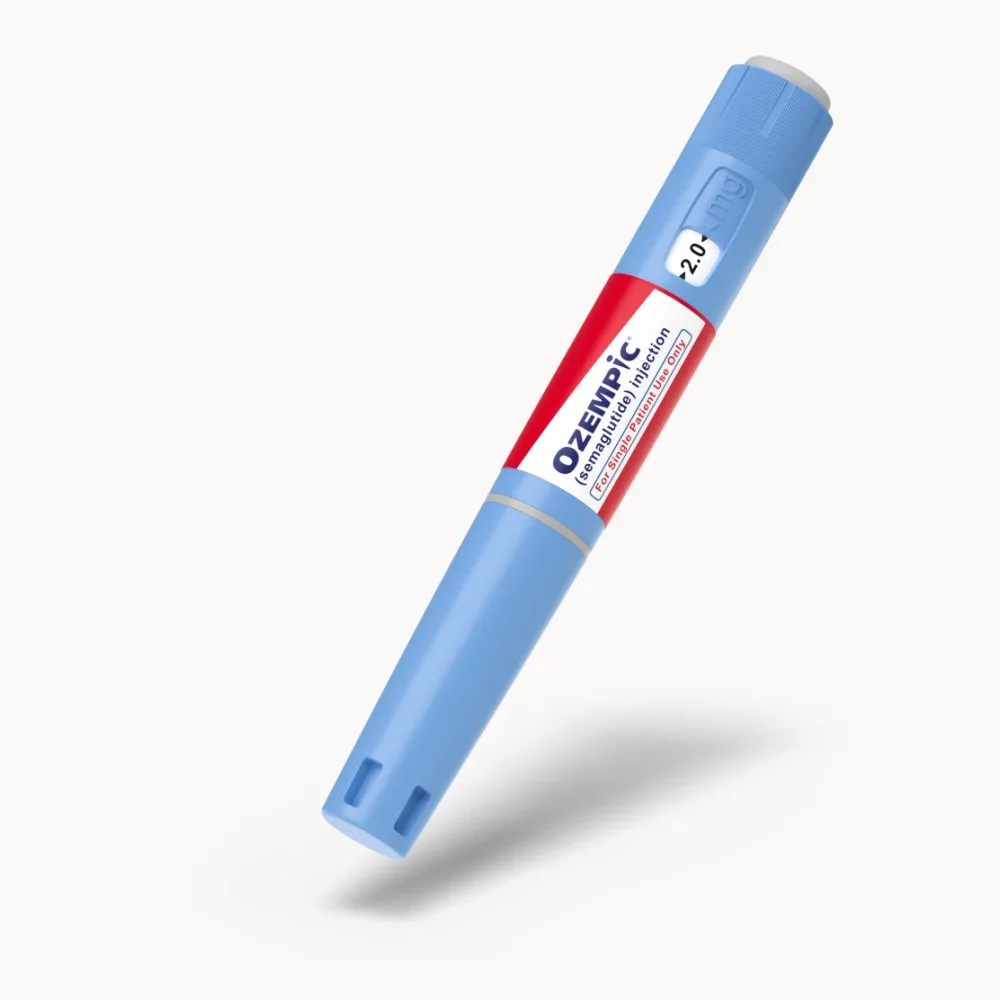 | Novo Nordisk | 0.25mg, 0.5mg, 1mg, 2mg | Injection (pen) |
| Rybelsus | Novo Nordisk | 3mg, 7mg, 14mg | Tablet |
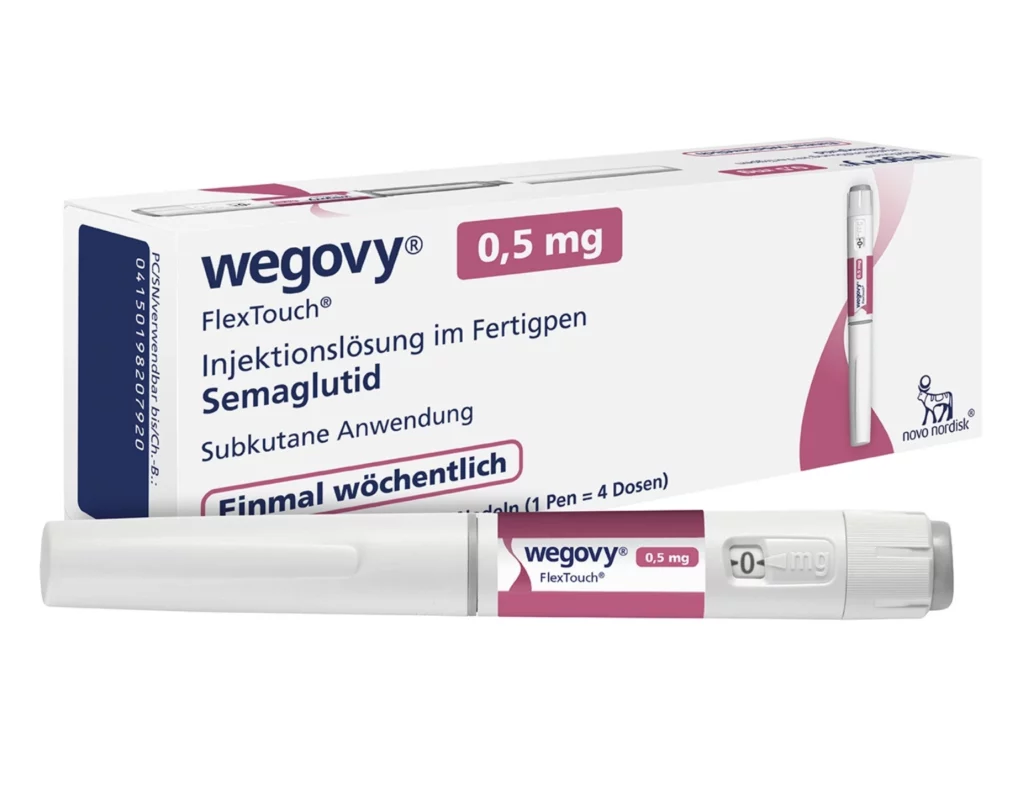 | Novo Nordisk | 0.25mg, 0.5mg, 1mg, 1.7mg, 2.4mg | Injection (pen) |
Semaglutide Price in Nigeria
We quote no naira figure for semaglutide because our sampled online listings hold none that are stable: Ozempic, Wegovy and Rybelsus are specialty imports moving through a handful of registered channels, with cost driven by dose strength, pen count and the exchange rate — and the shortage-and-hype market around them is exactly where fakes concentrate. Confirm the NAFDAC registration on any pack before paying, buy only from licensed pharmacies, or tell us what you need and we'll connect you with a verified source.
We show a price here once it appears in our monthly sampling of Nigerian online pharmacies (MedPlus, HealthPlus), or when we have a reliable market figure. For now, confirm the current price directly with a licensed pharmacy.
How to Verify Your Semaglutide is Genuine
- 1Buy only from a licensed pharmacy — the enormous demand for Ozempic and Wegovy has made them a top target for counterfeiters
- 2Check the NAFDAC registration number on the pack and verify it on the NAFDAC Green Book or mobile app before paying
- 3Be extremely suspicious of low prices — genuine semaglutide costs hundreds of thousands of naira; a cheap 'Ozempic' pen is almost certainly fake
- 4Insist on proper cold-chain storage: genuine pens are kept refrigerated, and a pen sold warm or from an unrefrigerated stall should be refused
- 5Check the pen, label, expiry date, and batch number carefully; reject anything with spelling errors, blurry printing, missing details, or tampered packaging
- 6Avoid social-media sellers, 'weight-loss coaches', and unregistered online vendors — this is a prescription medicine that needs a real pharmacy and a doctor
Where to Buy
Semaglutide is not registered with NAFDAC, so there is no approved product and no lawful retail supply of it in Nigeria. Ogbogwu does not list sellers for it and does not take requests for it: anyone able to fill such an order would be supplying outside the register, which is the situation this site exists to help people avoid. If it was prescribed to you abroad, carry the prescription and the original pack and check the import rules with NAFDAC. If you were told to take it here, ask your doctor what registered alternative applies — and check any pack you are offered against the register, because a NAFDAC number printed on an unregistered medicine was invented or cloned.
What is Semaglutide?
Semaglutide works by mimicking GLP-1, a natural gut hormone released after eating. It tells the pancreas to release insulin when blood sugar is high, slows how quickly the stomach empties, and acts on the brain's appetite centres so you feel full sooner and eat less. In type-2 diabetes this brings blood sugar down and often causes weight loss too; used for obesity, that appetite effect is the main point. It is a prescription-only medicine that should be started and monitored by a doctor, usually beginning at a low dose that is increased slowly to limit nausea.
In Nigeria, three things matter enormously before anyone considers semaglutide. First, it is expensive and largely imported, so prices run into the hundreds of thousands of naira and swing sharply with the exchange rate and supply. Second, the injections must be kept cold (refrigerated) — a broken cold chain ruins the medicine. Third, and most important, the huge demand has driven a wave of counterfeit and improperly stored 'Ozempic' and 'Wegovy' pens; a price that looks too good to be true almost always means a fake. Always insist on a licensed pharmacy and verify the product, and remember this is a medical treatment, not a shortcut to be self-prescribed.
What is Semaglutide used for?
In Nigeria, Semaglutide is commonly used for:
- Type-2 diabetes — lowering blood sugar, usually added to metformin or other drugs (Ozempic, Rybelsus)
- Chronic weight management in obesity, alongside diet and exercise (Wegovy; Ozempic is often used off-label for this)
- Reducing the risk of heart attack and stroke in people with type-2 diabetes and established heart disease
- Helping appetite control and portion size through its effect on gut and brain signals
- A once-weekly option (or daily tablet) for people not reaching target on older diabetes medicines
Dosage
IMPORTANT
Always follow your doctor's or pharmacist's instructions. The information below is for general reference only.
Adults
Semaglutide is always started low and increased gradually to reduce nausea. Ozempic (injection) typically starts at 0.25mg once a week for 4 weeks, then 0.5mg weekly, increasing to 1mg or 2mg if needed. Wegovy escalates over months to 2.4mg weekly for weight loss. Rybelsus (tablet) starts at 3mg once daily, rising to 7mg then 14mg; it must be taken on an empty stomach with a small sip of water, at least 30 minutes before any food, drink, or other medicine. Your doctor sets and adjusts the dose — never rush the increases.
Children
Semaglutide is not routinely used in children in Nigeria; any use in adolescents (for example Wegovy for obesity where licensed) must be specialist-led.
Elderly
Can be used in older adults, but with careful monitoring for dehydration from nausea/vomiting and for kidney function.
Inject on the same day each week (Ozempic/Wegovy) into the abdomen, thigh, or upper arm, rotating the site. Keep unopened pens in the fridge; do not freeze. If you miss a weekly dose, take it within a few days — otherwise skip it; never double up. Nausea is common at first and usually eases; eating smaller, lower-fat meals helps. This is a long-term treatment, and weight tends to return if it is stopped without a plan, so use it under medical guidance rather than in on-off cycles.
Side Effects
General information for a reader holding a pack, not a substitute for a doctor or pharmacist. If something on the serious list is happening, seek care now.
Common side effects
- •Nausea — very common when starting or increasing the dose, usually improving with time
- •Vomiting, diarrhoea, or constipation
- •Reduced appetite and feeling full quickly
- •Burping, bloating, or indigestion
- •Tiredness, and occasionally dizziness
Serious side effects — seek medical help immediately
- Severe, persistent abdominal pain (possibly spreading to the back) with vomiting — a possible sign of pancreatitis; stop and seek urgent care
- Gallbladder problems: pain in the upper-right abdomen, fever, or yellowing of the skin/eyes
- Signs of dehydration or kidney strain from heavy vomiting/diarrhoea
- Low blood sugar (more likely if combined with insulin or a sulfonylurea): shakiness, sweating, confusion
- A lump or swelling in the neck, hoarseness, or trouble swallowing (rare thyroid concern)
- Signs of a serious allergic reaction: swelling of the face or throat, difficulty breathing
When to see a doctor
Seek urgent care for severe or persistent abdominal pain, repeated vomiting with signs of dehydration, or symptoms of a serious allergic reaction. Contact your doctor if nausea is severe enough to stop you eating or drinking, if you have symptoms of low blood sugar, or if you notice neck swelling. Because semaglutide slows stomach emptying, tell any doctor or anaesthetist you are on it before surgery or a procedure that needs sedation.
Warnings & Precautions
General information for a reader holding a pack, not a substitute for a doctor or pharmacist. If something on the serious list is happening, seek care now.
Do not take Semaglutide if you have:
- Do not use in type-1 diabetes or for diabetic ketoacidosis
- Do not use if you have had medullary thyroid cancer, or a family history of it, or the syndrome MEN 2
- Avoid if you have had pancreatitis, unless a specialist advises otherwise
- Do not use in pregnancy or while breastfeeding — stop it well before a planned pregnancy
- Do not use if you are allergic to semaglutide
Drug interactions
- •Insulin and sulfonylureas (e.g. glibenclamide): combining raises the risk of low blood sugar — doses may need lowering
- •Because semaglutide slows stomach emptying, it can affect how other oral medicines are absorbed; spacing may be advised
- •Oral contraceptive pills: severe vomiting can reduce their reliability — use backup contraception if unwell
- •Warfarin and other drugs needing monitoring may need closer checks when starting
Pregnancy & Breastfeeding
Semaglutide must not be used in pregnancy or while breastfeeding — there is not enough safety data and it should be stopped at least two months before trying to conceive. This matters especially for weight-loss users: rapid weight loss and improved fertility can lead to unplanned pregnancy, so reliable contraception is important while on it. If you become pregnant, stop the medicine and tell your doctor promptly.
Used for these conditions
Related Resources for Semaglutide
Guides, articles, and tools related to Semaglutide and other diabetes medicines in Nigeria.
Frequently Asked Questions
Sources
- •NAFDAC Greenbook — the official database of all products registered with Nigeria's National Agency for Food and Drug Administration and Control. Brand-level NAFDAC numbers for Semaglutide on this page were cross-referenced against the Greenbook.
- •British National Formulary (BNF) dosing and interaction guidance for Semaglutide.
- •Nigerian Standard Treatment Guidelines (Federal Ministry of Health).
Daily puzzle: Meddle — pair five brands with their medicines. New game at midnight.