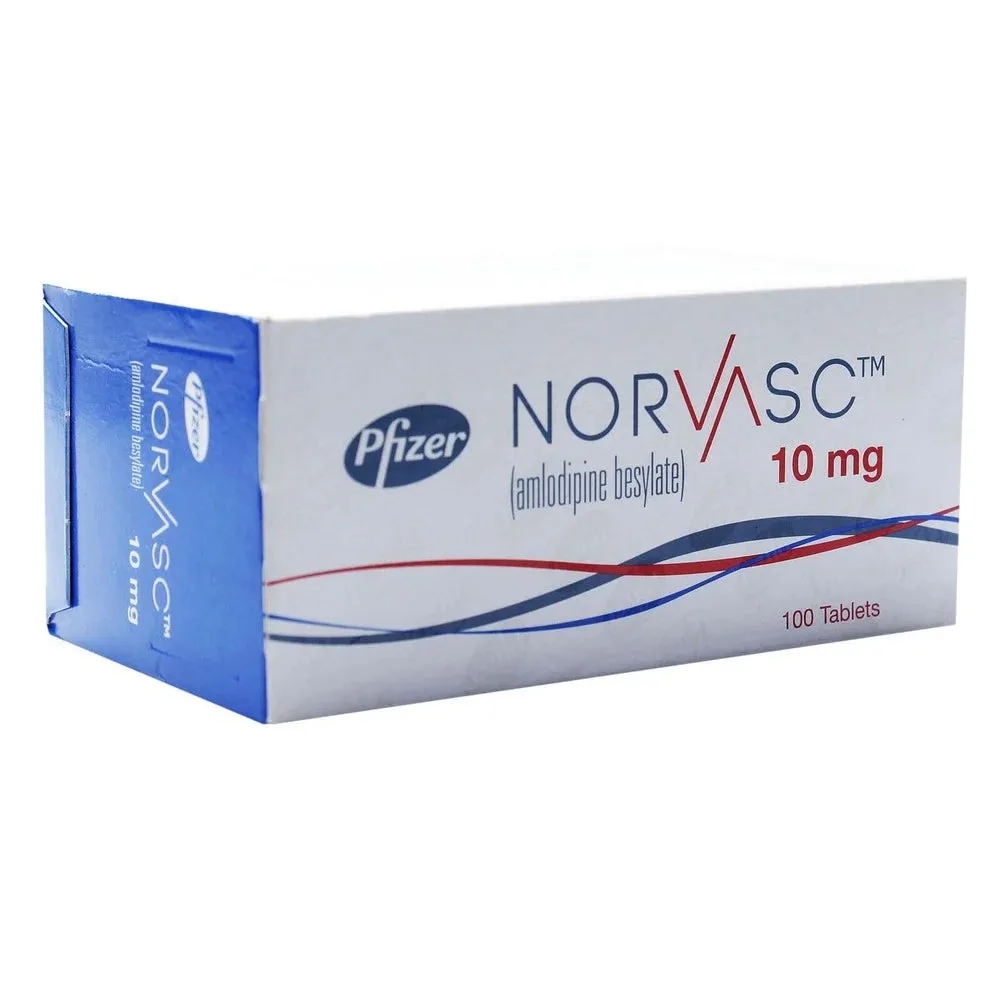
Amlodipine is one of the most widely prescribed antihypertensive medications in Nigeria and across sub-Saharan Africa. It belongs to the calcium channel blocker (CCB) class of drugs, specifically the dihydropyridine subgroup. Hypertension affects an estimated 30-45% of Nigerian adults, with many cases going undiagnosed because high blood pressure is often called a 'silent killer' — it typically causes no symptoms until serious complications like stroke, heart failure, or kidney disease develop. Amlodipine plays a critical role in managing this enormous public health burden, and you will find it stocked in virtually every pharmacy and patent medicine store across Nigeria, from Lagos to Kano.
In the NAFDAC register
270 registered products
from 125 registration holders
+4 more countries
What it costs online
about ₦1,750
≈₦70 per tablet (tablet/capsule)
0% since July 2026 · like-for-like
Sampled from 5 listings across HealthPlus and MedPlus · October 2026
Full price breakdown →Brands of Amlodipine in Nigeria
Comes as
In combinations: Amlodipine + Telmisartan · Amlodipine + Valsartan + Hydrochlorothiazide · Amlodipine + Valsartan
Those 270 products from 125 registration holders, counted in our October 2026 copy of the register, include combination products and older listings; below are the most common brands.
Amlodipine Price in Nigeria
As of October 2026, a pack of 28–30 amlodipine tablets sells for about ₦1,750 online in Nigeria (₦41–₦141 a tablet, strip or bulk pack; Amlong) at HealthPlus and MedPlus; packs of 100 ₦7,670. The online price is roughly unchanged since July 2026. That figure is for Amlong; 54 other amlodipine brands are NAFDAC-registered and generic versions usually cost less. Open-market prices (e.g. Idumota, Ogbogwu) are often lower.
Online retail (sampled)
₦1,150 for 28 tablets
₦3,960 for 28 tablets
Same 10mg Amlodipine — 3.4× the price for an identical pack, so the difference is the brand.
median ₦2,100 · 5 listings
CheapestEMZOVASC -10MG *28 TABS AMLODIPINE(MedPlus)
₦1,150PriciestTeva Amlodipine 10mg x28(HealthPlus)
₦3,9605 listings across HealthPlus + MedPlus — brands and pack sizes vary · October 2026.
tablets: about ₦70 per tablet (₦41–₦141), from the 5 listings that state a pack size.
Unchanged since July 2026.
Amlodipine price by brand
Each brand's own listings, as its page states them — the range above spans every brand and pack size.
- Amlong price₦2,100· 1 listing
How to Verify Your Amlodipine is Genuine
- 1Check the NAFDAC registration number on the packaging — all genuine amlodipine brands sold in Nigeria must have a valid NAFDAC number (e.g., A4-XXXX or B4-XXXX format)
- 2Verify the NAFDAC number using the NAFDAC Green Book or the NAFDAC mobile verification app available on Android and iOS
- 3Purchase only from licensed pharmacies and registered patent medicine stores — avoid buying from unregistered vendors, open markets, or online sources without verifiable credentials
- 4Check the expiry date and ensure the packaging is intact, properly sealed, and shows no signs of tampering
- 5Genuine tablets should have uniform size, shape, and colour — if tablets look irregular, crumbly, discoloured, or have an unusual smell, do not use them
- 6For Norvasc (Pfizer), look for the distinctive round tablet shape and embossed markings. For Emzor and other brands, check for holographic security features and batch numbers on the outer pack
Where to Buy
Buying Amlodipine wholesale, by the carton
Cartons of amlodipine are bought at Nigeria's open drug markets: Idumota Market in Lagos, Ariaria Market in Aba, Ogbogwu Market in Onitsha and Sabon Gari Market in Kano. Each guide says where the market is and how to buy there safely; where we list sellers, they are named.
- Idumota Market, Lagos · wholesale sellers in Idumota Market
- Ariaria Market, Aba
- Ogbogwu Market, Onitsha
- Sabon Gari Market, Kano
No shop we list has Amlodipine on its confirmed product list yet — the market guides still tell you where the trade happens and how to buy there safely.
Which one are you?
I'm buying amlodipine
Tell us what you need and the quantity, and we'll connect you with a verified, NAFDAC-registered source. Free, no obligation.
I sell amlodipine
Get a free page where buyers look for them: your products, your number, how to find your shop. Independent of NAFDAC and government. Nothing goes live until you have seen it and approved it. Why list? →
Wherever you buy, buy only from licensed pharmacies and verified distributors — not roadside vendors — and verify the pack's NAFDAC registration before you pay. Buying Amlodipine in bulk or for resale? See how to buy medicines in bulk in Nigeria safely.
Need Amlodipine in bulk, or can't find it near you?
Tell us what you need and we'll connect you with a verified, NAFDAC-registered source.
What is Amlodipine?
Amlodipine works by relaxing and widening the blood vessels (a process called vasodilation), which allows blood to flow more easily and reduces the pressure against the walls of the arteries. It does this by blocking calcium from entering the smooth muscle cells of the blood vessel walls — without calcium, these muscles cannot contract as forcefully, so the vessels stay relaxed. This mechanism makes amlodipine particularly effective in Black and African patients, as clinical studies have consistently shown that calcium channel blockers produce stronger blood pressure reductions in people of African descent compared to some other drug classes such as ACE inhibitors when used alone.
Amlodipine is taken once daily, usually in the morning, and its long duration of action means it provides consistent blood pressure control throughout the full 24-hour period. It is available in Nigeria under well-known brand names including Norvasc (the original Pfizer brand), Amlovar, and Stamlo, alongside generic amlodipine from a number of manufacturers. All legitimate brands sold in Nigeria carry NAFDAC registration numbers. One of the greatest advantages of amlodipine is its tolerability — most patients can take it for years with minimal side effects, making it an excellent choice for the lifelong treatment that hypertension requires.
What is Amlodipine used for?
In Nigeria, Amlodipine is commonly used for:
- Treatment of hypertension (high blood pressure) — the primary and most common use in Nigeria
- Management of chronic stable angina (chest pain caused by reduced blood flow to the heart)
- Treatment of vasospastic (Prinzmetal's) angina
- Often used in combination therapy with ACE inhibitors (such as lisinopril), ARBs (such as losartan), or thiazide diuretics for patients whose blood pressure is not adequately controlled with a single drug
- Preferred first-line antihypertensive for Black/African patients based on clinical evidence showing superior efficacy in this population
Dosage
IMPORTANT
Always follow your doctor's or pharmacist's instructions. The information below is for general reference only.
Adults
The usual starting dose is 5mg taken once daily by mouth. If blood pressure is not adequately controlled after 1-2 weeks, the dose may be increased to 10mg once daily. The maximum recommended dose is 10mg per day. Take amlodipine at the same time each day, with or without food. Do not crush or chew the tablet — swallow it whole with water.
Children
For children aged 6-17 years, the recommended dose is 2.5mg to 5mg once daily. Amlodipine is not typically recommended for children under 6 years. Paediatric dosing should always be determined by a doctor.
Elderly
Elderly patients and those with liver problems should start at the lower dose of 2.5mg to 5mg once daily. Dose increases should be gradual and closely monitored by a healthcare professional.
Amlodipine must be taken every day, even when you feel well. Hypertension usually has no symptoms, so feeling fine does not mean your blood pressure is normal. Do NOT stop taking amlodipine suddenly without consulting your doctor, as your blood pressure may rise sharply. If you miss a dose, take it as soon as you remember — but if it is almost time for your next dose, skip the missed dose. Never take a double dose to make up for a missed one.
Side Effects
General information for a reader holding a pack, not a substitute for a doctor or pharmacist. If something on the serious list is happening, seek care now.
Common side effects
- •Ankle and foot swelling (peripheral oedema) — this is the most common side effect and occurs in up to 10% of patients, especially at the 10mg dose. It is caused by the drug's effect on blood vessels, not by heart or kidney problems
- •Headache, particularly during the first few days of treatment
- •Flushing or feeling of warmth in the face
- •Dizziness or lightheadedness
- •Fatigue or tiredness
- •Nausea or stomach discomfort
Serious side effects — seek medical help immediately
- Severe dizziness or fainting — may indicate blood pressure has dropped too low
- Rapid or irregular heartbeat (palpitations)
- Severe swelling of the face, lips, tongue, or throat — this may indicate a rare allergic reaction requiring emergency treatment
- Chest pain that is new or worsening — seek immediate medical attention
- Jaundice (yellowing of the skin or eyes) — rare but may indicate liver problems
When to see a doctor
See your doctor or pharmacist if ankle swelling becomes bothersome or does not improve — your doctor may adjust the dose or add another medication. Seek emergency medical attention immediately if you experience severe dizziness, fainting, difficulty breathing, swelling of the face or throat, or chest pain. If you notice any unusual symptoms that concern you, do not stop the medication on your own — consult your healthcare provider first.
Warnings & Precautions
General information for a reader holding a pack, not a substitute for a doctor or pharmacist. If something on the serious list is happening, seek care now.
Do not take Amlodipine if you have:
- Do not take amlodipine if you are allergic to amlodipine or any other dihydropyridine calcium channel blocker
- Do not use in patients with severe aortic stenosis (narrowing of the main heart valve)
- Use with caution in patients with severe liver disease, as the drug is metabolised by the liver
- Not recommended in patients with unstable angina or within 1-2 weeks of a heart attack (unless specifically directed by a cardiologist)
Drug interactions
- •Simvastatin — amlodipine can increase simvastatin levels in the blood; the dose of simvastatin should not exceed 20mg daily when taken with amlodipine
- •Other blood pressure-lowering medications — combining amlodipine with other antihypertensives can cause blood pressure to drop too low; dose adjustments may be needed
- •Cyclosporine and tacrolimus — amlodipine may increase levels of these immunosuppressant drugs
- •Grapefruit juice — may increase amlodipine levels in the blood, potentially increasing side effects; avoid large quantities
- •Rifampicin — may reduce the effectiveness of amlodipine by increasing its breakdown in the body
Pregnancy & Breastfeeding
Amlodipine is NOT recommended during pregnancy. There is insufficient safety data for use in pregnant women, and it should only be used during pregnancy if no safer alternative is available and the benefit clearly outweighs the risk. If you become pregnant while taking amlodipine, inform your doctor immediately so you can be switched to a pregnancy-safe blood pressure medication such as methyldopa or labetalol. Amlodipine passes into breast milk in small amounts. Breastfeeding mothers should consult their doctor before taking amlodipine, and alternative antihypertensives with better-established safety during breastfeeding may be considered.
Used for these conditions
Related Resources for Amlodipine
Guides, articles, and tools related to Amlodipine and other hypertension medicines in Nigeria.
Frequently Asked Questions
Sources
- •NAFDAC Greenbook — the official database of all products registered with Nigeria's National Agency for Food and Drug Administration and Control. Brand-level NAFDAC numbers for Amlodipine on this page were cross-referenced against the Greenbook.
- •WHO Model List of Essential Medicines — Amlodipine is included in the WHO's list of essential medicines, meaning it is considered essential for basic healthcare needs.
- •British National Formulary (BNF) dosing and interaction guidance for Amlodipine.
- •Nigerian Standard Treatment Guidelines (Federal Ministry of Health).
Daily puzzle: Meddle — pair five brands with their medicines. New game at midnight.