Lisinopril is an angiotensin-converting enzyme (ACE) inhibitor, one of the most important classes of blood pressure medications used in Nigeria today. It works by blocking an enzyme called ACE, which is responsible for producing a chemical called angiotensin II — a powerful substance that causes blood vessels to tighten and narrow. By blocking this enzyme, lisinopril allows the blood vessels to relax and widen, thereby lowering blood pressure and reducing the workload on the heart. Hypertension is estimated to affect 30-45% of Nigerian adults, with the majority of cases undiagnosed because high blood pressure typically causes no symptoms until serious complications such as stroke, heart failure, or kidney damage have already developed.
In the NAFDAC register
96 registered products
from 58 registration holders
What it costs online
about ₦1,120
≈₦40 per tablet (tablet/capsule)
0% since July 2026 · like-for-like
Sampled from 3 listings across HealthPlus and MedPlus · October 2026
Full price breakdown →Brands of Lisinopril in Nigeria
Comes as
Those 96 products from 58 registration holders, counted in our October 2026 copy of the register, include combination products and older listings; below are the most common brands.
| Brand Name | Manufacturer | Strength | Form | NAFDAC Reg. No. |
|---|---|---|---|---|
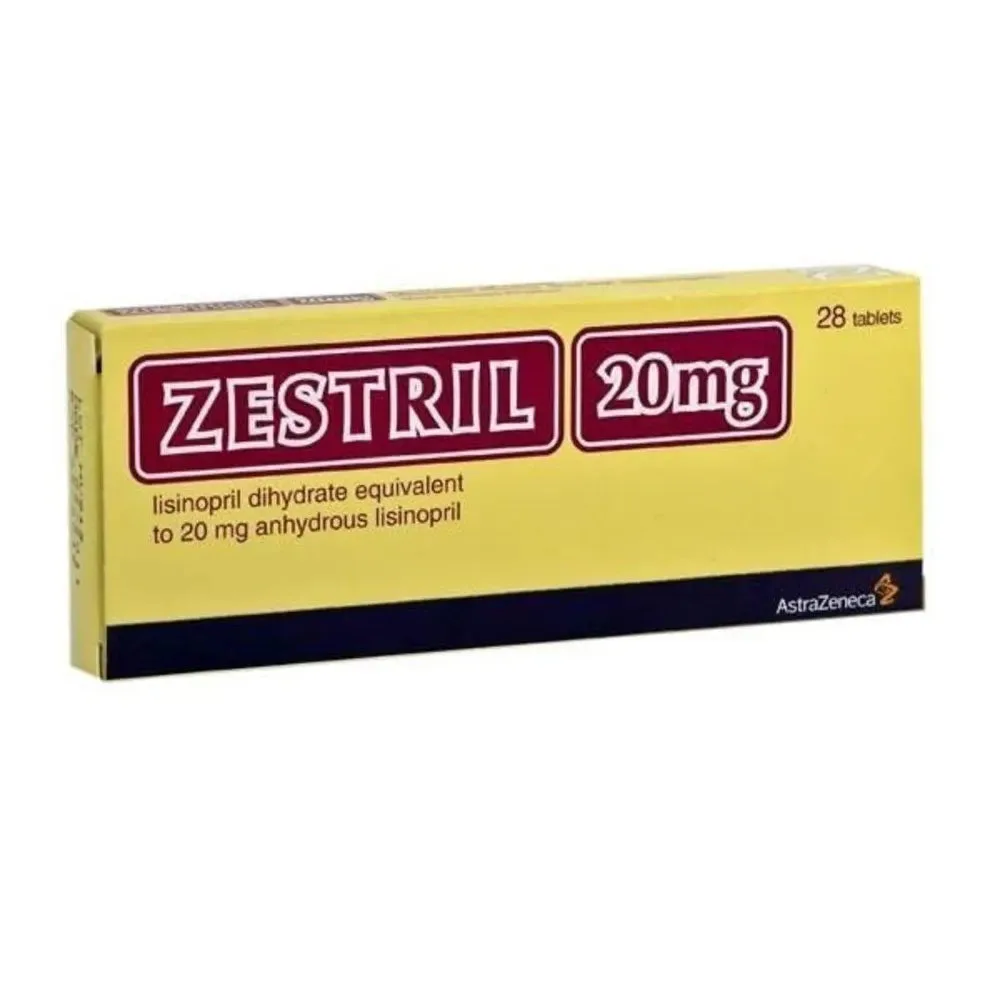 | AstraZeneca | 5mg, 10mg, 20mg | Tablet | 04-0010 |
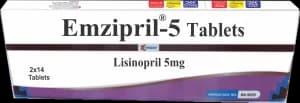 | Emzor Pharmaceutical Industries | 5mg | Tablet | B4-5630 |
Lisinopril Price in Nigeria
As of October 2026, Lisinopril sells for about ₦1,120 online in Nigeria (₦850–₦2,850) at HealthPlus and MedPlus. The online price is roughly unchanged since July 2026. Open-market prices (e.g. Idumota, Ogbogwu) are often lower.
Online retail (sampled)
Same medicine throughout — every listing contains Lisinopril. The difference is brand and pack size.
median ₦1,120 · 3 listings
CheapestEMZIPRIL-5MG * 28 TABS(MedPlus)
₦850PriciestLISINOPRIL 20MG * 28 TABS(CRESCENT)(MedPlus)
₦2,8503 listings across HealthPlus + MedPlus — brands and pack sizes vary · October 2026.
tablets: about ₦40 per tablet (₦30–₦102), from the 3 listings that state a pack size.
Unchanged since July 2026.
Lisinopril price by brand
Each brand's own listings, as its page states them — the range above spans every brand and pack size.
- Emzipril price₦850–₦1,120· 2 listings
How to Verify Your Lisinopril is Genuine
- 1Check the NAFDAC registration number on the packaging — all genuine lisinopril brands sold in Nigeria must carry a valid NAFDAC number (e.g., A4-XXXX or B4-XXXX format)
- 2Verify the NAFDAC number using the NAFDAC Green Book or the NAFDAC mobile verification app available on Android and iOS
- 3Purchase only from licensed pharmacies and registered patent medicine stores — avoid buying blood pressure medications from unregistered vendors or open markets
- 4Check the expiry date and ensure the packaging is intact, properly sealed, and free from signs of tampering or water damage
- 5Genuine tablets should be uniform in size, shape, and colour. If tablets appear irregular, crumbly, discoloured, or have an unusual odour, do not use them and report to NAFDAC
- 6For imported brands like Zestril and Prinivil, verify the batch number and look for security features on the packaging. For Emzor products, check for the holographic seal and NAFDAC registration
Where to Buy
Buying Lisinopril wholesale, by the carton
Cartons of lisinopril are bought at Nigeria's open drug markets: Idumota Market in Lagos, Ariaria Market in Aba, Ogbogwu Market in Onitsha and Sabon Gari Market in Kano. Each guide says where the market is and how to buy there safely; where we list sellers, they are named.
- Idumota Market, Lagos · wholesale sellers in Idumota Market
- Ariaria Market, Aba
- Ogbogwu Market, Onitsha
- Sabon Gari Market, Kano
No shop we list has Lisinopril on its confirmed product list yet — the market guides still tell you where the trade happens and how to buy there safely.
Which one are you?
I'm buying lisinopril
Tell us what you need and the quantity, and we'll connect you with a verified, NAFDAC-registered source. Free, no obligation.
I sell lisinopril
Get a free page where buyers look for them: your products, your number, how to find your shop. Independent of NAFDAC and government. Nothing goes live until you have seen it and approved it. Why list? →
Wherever you buy, buy only from licensed pharmacies and verified distributors — not roadside vendors — and verify the pack's NAFDAC registration before you pay. Buying Lisinopril in bulk or for resale? See how to buy medicines in bulk in Nigeria safely.
Need Lisinopril in bulk, or can't find it near you?
Tell us what you need and we'll connect you with a verified, NAFDAC-registered source.
What is Lisinopril?
Lisinopril holds a particularly important place in the treatment of patients who have both hypertension and diabetes — a combination that is alarmingly common in Nigeria. ACE inhibitors have been proven to protect the kidneys from damage caused by diabetes and high blood pressure, making lisinopril a preferred choice for these patients. It is also a cornerstone medication for heart failure management and is recommended for use after a heart attack to improve survival. However, an important consideration in the Nigerian context is that ACE inhibitors tend to be less effective as monotherapy (single-drug treatment) in Black patients compared to calcium channel blockers or thiazide diuretics. For this reason, lisinopril is very often prescribed in combination with amlodipine or hydrochlorothiazide for optimal blood pressure control in Nigerian patients.
Lisinopril is available in Nigeria under brand names including Zestril (AstraZeneca), Prinivil (Merck), and locally manufactured brands such as Emzipril (Emzor). It is taken once daily and comes in several strengths to allow flexible dose adjustment. One of the most well-known side effects of lisinopril — and all ACE inhibitors — is a persistent dry cough, which affects a significant proportion of patients and is the most common reason for switching to an alternative medication such as losartan (an ARB). Despite this, lisinopril remains a vital and widely prescribed drug in Nigeria because of its proven benefits for the heart, kidneys, and blood vessels.
What is Lisinopril used for?
In Nigeria, Lisinopril is commonly used for:
- Treatment of hypertension (high blood pressure) — often in combination with amlodipine or a diuretic for optimal control in Nigerian patients
- Management of heart failure — helps the heart pump more efficiently and improves survival
- Protection of the kidneys in patients with diabetic nephropathy (kidney disease caused by diabetes)
- Post-heart attack treatment — reduces the risk of death and further heart damage when started within 24 hours of a heart attack
- Reduction of cardiovascular risk in patients with diabetes and hypertension
Dosage
IMPORTANT
Always follow your doctor's or pharmacist's instructions. The information below is for general reference only.
Adults
For hypertension: the usual starting dose is 5mg to 10mg taken once daily. The dose may be increased gradually over 2-4 weeks based on blood pressure response, up to a maximum of 40mg once daily. For heart failure: the starting dose is usually 2.5mg to 5mg once daily, increased slowly under medical supervision. Take lisinopril at the same time each day, with or without food. Swallow the tablet whole with water.
Children
Lisinopril may be used in children aged 6 years and older for hypertension, at an initial dose of 0.07mg/kg once daily (up to 5mg). Paediatric dosing should always be determined and monitored by a specialist doctor. It is not recommended for children under 6 years.
Elderly
Elderly patients should start at a lower dose of 2.5mg to 5mg once daily due to a higher likelihood of reduced kidney function. Dose increases should be gradual, with regular monitoring of kidney function and potassium levels.
Lisinopril must be taken every day, even when you feel well. Do NOT stop taking lisinopril suddenly without consulting your doctor. Your doctor will want to check your kidney function (creatinine) and potassium levels periodically through blood tests, especially when starting treatment or increasing the dose. If you miss a dose, take it as soon as you remember, but skip it if it is almost time for your next dose. Never double up on doses.
Side Effects
General information for a reader holding a pack, not a substitute for a doctor or pharmacist. If something on the serious list is happening, seek care now.
Common side effects
- •Dry, persistent cough — this is the most characteristic and common side effect of all ACE inhibitors, affecting up to 10-20% of patients. The cough is typically dry, tickly, and non-productive, and may take weeks to develop after starting the drug
- •Dizziness or lightheadedness, especially when standing up quickly (postural hypotension)
- •Headache
- •Fatigue or tiredness
- •Nausea or diarrhoea
- •Elevated potassium levels (hyperkalaemia) — usually detected through blood tests
Serious side effects — seek medical help immediately
- Angioedema — sudden swelling of the face, lips, tongue, or throat that can obstruct breathing. This is a medical emergency requiring immediate hospital treatment. It is more common in Black patients
- Severe hypotension (very low blood pressure) — causing fainting, especially with the first dose or if dehydrated
- Acute kidney failure — particularly in patients with pre-existing kidney problems or those taking NSAIDs simultaneously
- Dangerously high potassium levels (severe hyperkalaemia) — can cause life-threatening heart rhythm disturbances
- Severe allergic reactions including skin rash, fever, and joint pain
When to see a doctor
Seek EMERGENCY medical attention immediately if you experience swelling of the face, lips, tongue, or throat, or if you have difficulty breathing or swallowing — this may be angioedema, a potentially life-threatening reaction that is more common in patients of African descent. See your doctor promptly if you develop a persistent dry cough that interferes with your daily life — your doctor may switch you to an ARB such as losartan. Also consult your doctor if you experience severe dizziness, fainting, reduced urine output, or any unusual symptoms.
Warnings & Precautions
General information for a reader holding a pack, not a substitute for a doctor or pharmacist. If something on the serious list is happening, seek care now.
Do not take Lisinopril if you have:
- ABSOLUTELY CONTRAINDICATED IN PREGNANCY — lisinopril can cause serious birth defects and death of the unborn baby, especially in the second and third trimesters. Women of childbearing age must use reliable contraception while taking this medication
- Do not take if you have a history of angioedema (swelling of the face/throat) related to previous ACE inhibitor use
- Do not use in combination with aliskiren in patients with diabetes or moderate-to-severe kidney impairment
- Do not take if you are allergic to lisinopril or any other ACE inhibitor (such as enalapril or ramipril)
- Use with extreme caution in patients with bilateral renal artery stenosis (narrowing of blood vessels to both kidneys)
Drug interactions
- •Potassium supplements and potassium-sparing diuretics (such as spironolactone) — combining with lisinopril can cause dangerously high potassium levels
- •NSAIDs (such as ibuprofen and diclofenac) — can reduce the blood pressure-lowering effect of lisinopril and increase the risk of kidney damage. Many Nigerians take these painkillers freely; inform your pharmacist if you are on lisinopril
- •Lithium — lisinopril can increase lithium levels in the blood to toxic levels
- •Other blood pressure-lowering medications — may cause blood pressure to drop too low when combined
- •Diabetes medications (insulin, metformin, glimepiride) — lisinopril may enhance the blood sugar-lowering effect, increasing the risk of hypoglycaemia; blood sugar monitoring may need to be more frequent
- •Salt substitutes containing potassium — avoid these while taking lisinopril
Pregnancy & Breastfeeding
Lisinopril is ABSOLUTELY CONTRAINDICATED during pregnancy. ACE inhibitors are known to cause serious harm to the developing baby, including kidney failure, low amniotic fluid, skull defects, and death, particularly when used in the second and third trimesters. If you discover you are pregnant while taking lisinopril, STOP the medication immediately and contact your doctor urgently to switch to a pregnancy-safe alternative such as methyldopa or labetalol. Women planning pregnancy should discuss switching to a safer antihypertensive before conceiving. Lisinopril is also not recommended during breastfeeding due to insufficient safety data. Consult your doctor for a safer alternative if you are breastfeeding.
Used for these conditions
Related Resources for Lisinopril
Guides, articles, and tools related to Lisinopril and other hypertension medicines in Nigeria.
Frequently Asked Questions
Sources
- •NAFDAC Greenbook — the official database of all products registered with Nigeria's National Agency for Food and Drug Administration and Control. Brand-level NAFDAC numbers for Lisinopril on this page were cross-referenced against the Greenbook.
- •WHO Model List of Essential Medicines — Lisinopril is included in the WHO's list of essential medicines, meaning it is considered essential for basic healthcare needs.
- •British National Formulary (BNF) dosing and interaction guidance for Lisinopril.
- •Nigerian Standard Treatment Guidelines (Federal Ministry of Health).
Daily puzzle: Meddle — pair five brands with their medicines. New game at midnight.