Salbutamol, widely known by its iconic brand name Ventolin, is the most commonly used asthma medication in Nigeria and across the world. It belongs to a class of drugs called short-acting beta-2 agonists (SABAs), which work by rapidly relaxing the muscles surrounding the airways in the lungs. When an asthma attack occurs, the airways become narrow and inflamed, making it difficult to breathe. Salbutamol quickly opens up these airways, providing relief within minutes. The blue Ventolin inhaler is instantly recognisable in pharmacies from Ikeja to Kano, and it has become synonymous with asthma treatment in Nigeria. It is listed on the WHO Model List of Essential Medicines, reflecting its critical importance in global healthcare.
In the NAFDAC register
74 registered products
from 62 registration holders
What it costs online
Our sampling found 3 listings (October 2026) — every one of them Ventolin, listed at ₦7,000–₦14,500. That is Ventolin's price, not the molecule's — one brand's price cannot honestly stand for a molecule the register lists under many, so no market-wide figure is shown — see the Ventolin page for what those listings cost.
Brands of Salbutamol in Nigeria
Those 74 products from 62 registration holders, counted in our October 2026 copy of the register, include combination products and older listings; below are the most common brands.
| Brand Name | Manufacturer | Strength | Form | NAFDAC Reg. No. |
|---|---|---|---|---|
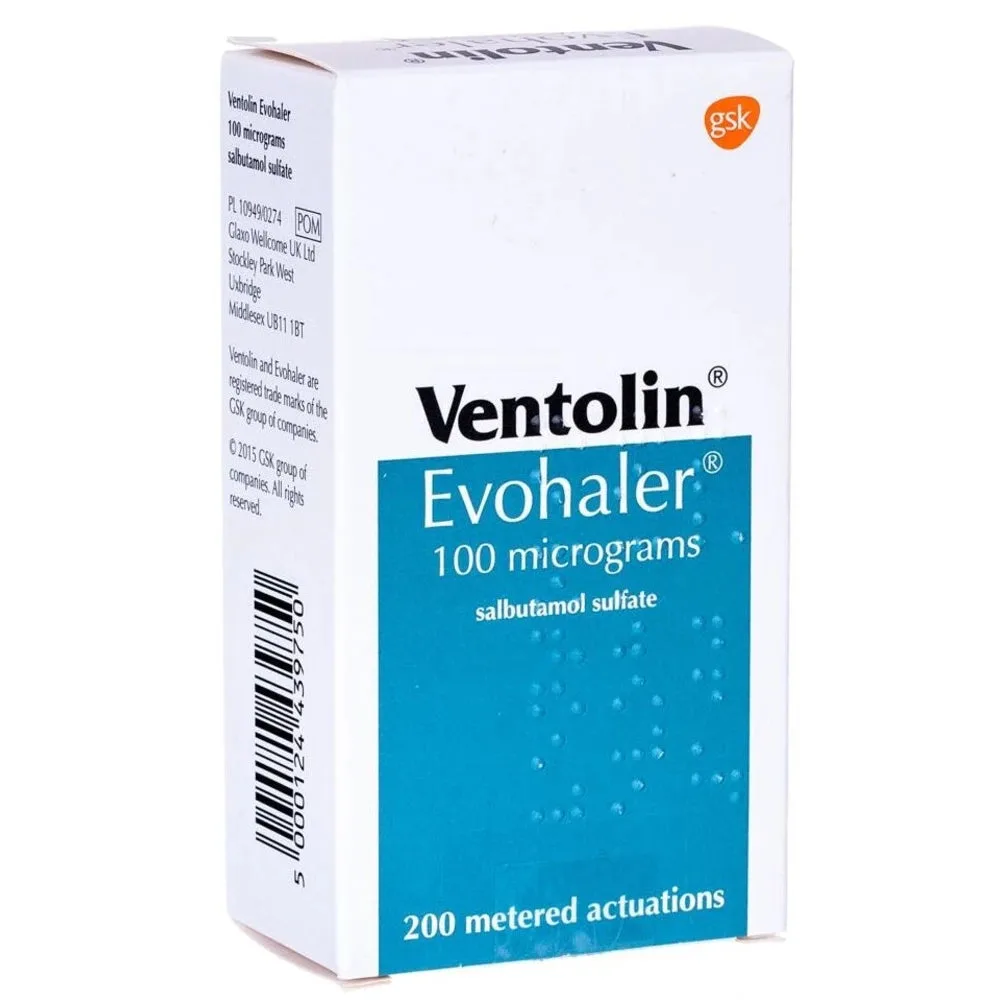 | GlaxoSmithKline (GSK) | 100mcg/puff, 2mg, 4mg | Inhaler | 04-0519 |
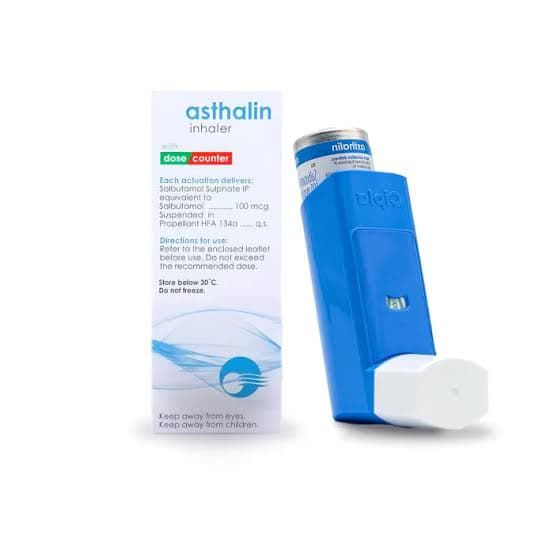 | Cipla | 100mcg/puff, 2mg, 4mg | Inhaler | |
| Airmax | Zeenat Nigeria Ltd | 2mg/5mL salbutamol + 4mg/5mL bromhexine | Syrup | A4-6260 |
Salbutamol Price in Nigeria
As of October 2026, the only salbutamol our sampled online pharmacies (HealthPlus and MedPlus) list is Ventolin, at about ₦10,000. That is Ventolin's price, not the molecule's: 7 salbutamol brands are NAFDAC-registered and generic versions usually cost less, so ask a licensed pharmacy for a generic by name and check its NAFDAC number before you pay.
Every Salbutamol listing in our online-pharmacy sampling was one brand, so we quote no range for the molecule — its price is that brand's, on its own page.
Salbutamol price by brand
The only Salbutamol brand our sampling found, priced from its own listings.
- Ventolin price₦7,000–₦14,500· 3 listings
How to Verify Your Salbutamol is Genuine
- 1Check for a valid NAFDAC registration number on the packaging — all salbutamol products sold in Nigeria, whether imported or locally manufactured, must carry this number
- 2Verify the NAFDAC number using the NAFDAC Green Book portal (www.greenbook.nafdac.gov.ng) or the NAFDAC mobile verification app available on Android and iOS
- 3Purchase from licensed pharmacies or accredited patent medicine stores — avoid buying inhalers from open markets such as Idumota, Onitsha Main Market, or roadside vendors, where counterfeit products are common
- 4Inspect the inhaler packaging for a clear batch number, manufacturing date, expiry date, and manufacturer details — all text should be sharp and legible
- 5For Ventolin inhalers, check for the GSK holographic seal and ensure the blue actuator and canister match the standard appearance — counterfeit inhalers often have slightly different shades of blue or poor-quality printing
- 6Test the inhaler by spraying a puff into the air — a genuine salbutamol inhaler should produce a fine, consistent mist; if the spray is weak, uneven, or absent, the product may be counterfeit or expired
Where to Buy
Buying Salbutamol wholesale, by the carton
Cartons of salbutamol are bought at Nigeria's open drug markets: Idumota Market in Lagos, Ariaria Market in Aba, Ogbogwu Market in Onitsha and Sabon Gari Market in Kano. Each guide says where the market is and how to buy there safely; where we list sellers, they are named.
- Idumota Market, Lagos · wholesale sellers in Idumota Market
- Ariaria Market, Aba
- Ogbogwu Market, Onitsha
- Sabon Gari Market, Kano
No shop we list has Salbutamol on its confirmed product list yet — the market guides still tell you where the trade happens and how to buy there safely.
Which one are you?
I'm buying salbutamol
Tell us what you need and the quantity, and we'll connect you with a verified, NAFDAC-registered source. Free, no obligation.
I sell salbutamol
Get a free page where buyers look for them: your products, your number, how to find your shop. Independent of NAFDAC and government. Nothing goes live until you have seen it and approved it. Why list? →
Wherever you buy, buy only from licensed pharmacies and verified distributors — not roadside vendors — and verify the pack's NAFDAC registration before you pay. Buying Salbutamol in bulk or for resale? See how to buy medicines in bulk in Nigeria safely.
Need Salbutamol in bulk, or can't find it near you?
Tell us what you need and we'll connect you with a verified, NAFDAC-registered source.
What is Salbutamol?
Asthma prevalence is rising significantly in Nigerian cities, driven by increasing air pollution, widespread use of petrol and diesel generators, exposure to harmattan dust during the dry season, and indoor cooking with firewood and kerosene stoves. According to estimates, over 13 million Nigerians may be living with asthma, though many remain undiagnosed. Salbutamol is available as a metered-dose inhaler (MDI), nebuliser solution, tablets, and syrup. The inhaler form is preferred because it delivers the drug directly to the lungs with fewer side effects. However, in Nigeria, many patients — particularly in rural areas — rely on tablets and syrups because they find inhalers difficult to use or because of misconceptions that inhalers are addictive or indicate severe illness.
Salbutamol is available over the counter in most Nigerian pharmacies and patent medicine stores without a prescription, making it accessible to millions of asthma sufferers. Popular brands available in Nigeria include Ventolin (manufactured by GSK, the most trusted brand), Asthalin (by Cipla, a more affordable Indian alternative), and ProAir, alongside generic salbutamol tablets and syrup. All legitimate salbutamol products sold in Nigeria must carry a NAFDAC registration number. It is critically important that patients learn the correct inhaler technique, as studies show that up to 70% of inhaler users in Nigeria do not use their inhalers properly, significantly reducing the effectiveness of the medication.
What is Salbutamol used for?
In Nigeria, Salbutamol is commonly used for:
- Quick relief of acute asthma attacks — the primary reason Nigerians use salbutamol, providing bronchodilation within 5 to 15 minutes
- Prevention of exercise-induced bronchospasm — taken 15 to 30 minutes before physical activity to prevent airway narrowing
- Management of wheezing and breathing difficulty during harmattan season, when dry dusty winds trigger respiratory symptoms across northern and central Nigeria
- Symptomatic relief of chronic obstructive pulmonary disease (COPD), which is increasingly common among older Nigerians exposed to biomass fuel smoke
- Relief of bronchospasm associated with acute respiratory infections, which are prevalent during the rainy season
- Nebulisation therapy for severe asthma exacerbations in hospital emergency departments across Nigeria
Dosage
IMPORTANT
Always follow your doctor's or pharmacist's instructions. The information below is for general reference only.
Adults
Inhaler: 1 to 2 puffs (100 to 200mcg) as needed for symptom relief, up to a maximum of 8 puffs in 24 hours. For prevention of exercise-induced bronchospasm, take 2 puffs 15 to 30 minutes before exercise. Nebuliser: 2.5mg to 5mg nebulised 3 to 4 times daily. Tablets: 2mg to 4mg taken 3 to 4 times daily. Maximum oral dose is 8mg four times daily. The inhaler is preferred over tablets as it works faster and has fewer side effects.
Children
Children aged 4 to 11 years: Inhaler: 1 to 2 puffs as needed, ideally using a spacer device. Nebuliser: 2.5mg up to 4 times daily. Syrup: Children 2 to 6 years: 1mg to 2mg (2.5ml to 5ml) three times daily. Children 6 to 12 years: 2mg (5ml) three to four times daily. Children under 2 years should only use salbutamol under direct medical supervision. Always use a spacer with the inhaler for children, as it significantly improves drug delivery to the lungs.
Elderly
Elderly patients should start with lower doses, particularly for the oral form. Inhaler: 1 to 2 puffs as needed. Tablets: Start with 2mg three times daily. Elderly patients may be more susceptible to side effects such as tremor and rapid heartbeat. Those with heart conditions should use salbutamol with caution and under medical supervision.
The inhaler form is always preferred over tablets and syrup because it delivers the drug directly to the lungs where it is needed, provides faster relief (within 5 minutes versus 30 minutes for tablets), and causes fewer side effects. If you are using your reliever inhaler more than 3 times a week, your asthma is not well controlled and you should see a doctor about preventive treatment. Shake the inhaler well before each use. If using a new inhaler or one that has not been used for more than 2 weeks, release 2 test sprays into the air before use.
Side Effects
General information for a reader holding a pack, not a substitute for a doctor or pharmacist. If something on the serious list is happening, seek care now.
Common side effects
- •Tremor (shaking), especially of the hands — this is the most commonly reported side effect and usually decreases with continued use
- •Rapid heartbeat (palpitations) — more common with oral tablets than with the inhaler
- •Headache — usually mild and temporary
- •Muscle cramps — particularly in the legs
- •Nervousness or feeling jittery
Serious side effects — seek medical help immediately
- Severe chest pain or worsening of chest tightness — could indicate a paradoxical bronchospasm or a cardiac problem
- Very rapid or irregular heartbeat (tachyarrhythmia) — more likely with overuse or in patients with heart conditions
- Dangerously low potassium levels (hypokalaemia) — particularly with high doses or when combined with certain diuretics or steroids
- Severe allergic reaction (anaphylaxis) — extremely rare but includes swelling of the face, tongue, or throat, and difficulty breathing
- Paradoxical bronchospasm — the airways become tighter instead of opening up; stop using the inhaler immediately and seek emergency care
When to see a doctor
See a doctor immediately if your salbutamol inhaler is not providing relief as it usually does, if you need to use it more frequently than normal, or if your breathing is getting progressively worse. These are signs of worsening asthma that requires urgent medical review. Also seek emergency care if you experience severe chest pain, a very fast or irregular heartbeat, swelling of the face or throat, or if your lips or fingernails turn blue. If you are using more than one inhaler canister per month, your asthma is poorly controlled and you need a medical review.
Warnings & Precautions
General information for a reader holding a pack, not a substitute for a doctor or pharmacist. If something on the serious list is happening, seek care now.
Do not take Salbutamol if you have:
- Do not use salbutamol if you have a known allergy to salbutamol or any of the ingredients in the formulation
- Use with extreme caution in patients with severe heart disease, hypertrophic cardiomyopathy, or cardiac arrhythmias
- Use cautiously in patients with hyperthyroidism (overactive thyroid), as salbutamol may worsen symptoms
- Patients with diabetes should monitor blood sugar levels more closely, as salbutamol can raise blood glucose
Drug interactions
- •Beta-blockers (such as propranolol and atenolol) — these drugs directly oppose the action of salbutamol and can reduce its bronchodilating effect; non-selective beta-blockers should be avoided in asthma patients
- •Diuretics such as furosemide and hydrochlorothiazide — when combined with salbutamol, the risk of dangerously low potassium levels increases
- •Digoxin — salbutamol-induced low potassium can increase the risk of digoxin toxicity
- •Monoamine oxidase inhibitors (MAOIs) and tricyclic antidepressants — may enhance the cardiovascular effects of salbutamol
- •Other sympathomimetic drugs — combining with other bronchodilators or decongestants may increase the risk of side effects such as rapid heartbeat
Pregnancy & Breastfeeding
Salbutamol can be used during pregnancy when the benefit outweighs the risk, and it is generally considered one of the safer asthma medications in pregnancy. Uncontrolled asthma during pregnancy poses a greater risk to both mother and baby than the medication itself. The inhaler form is preferred during pregnancy as it results in minimal systemic absorption. Salbutamol is excreted in breast milk in small amounts, but it is generally considered compatible with breastfeeding. If you are pregnant or breastfeeding, continue your asthma medication and discuss your treatment plan with your doctor.
Used for these conditions
Related Resources for Salbutamol
Guides, articles, and tools related to Salbutamol and other respiratory medicines in Nigeria.
Frequently Asked Questions
Sources
- •NAFDAC Greenbook — the official database of all products registered with Nigeria's National Agency for Food and Drug Administration and Control. Brand-level NAFDAC numbers for Salbutamol on this page were cross-referenced against the Greenbook.
- •WHO Model List of Essential Medicines — Salbutamol is included in the WHO's list of essential medicines, meaning it is considered essential for basic healthcare needs.
- •British National Formulary (BNF) dosing and interaction guidance for Salbutamol.
- •Nigerian Standard Treatment Guidelines (Federal Ministry of Health).
Daily puzzle: Meddle — pair five brands with their medicines. New game at midnight.