Clotrimazole is one of the most widely used antifungal medications in Nigeria, trusted by millions of people across the country for treating common fungal skin infections. Best known by its popular brand name Canesten, clotrimazole belongs to the imidazole class of antifungal drugs. It works by disrupting the production of ergosterol, a vital component of the fungal cell membrane. Without ergosterol, the fungal cell membrane becomes weakened and porous, causing the contents of the fungal cell to leak out and ultimately killing the organism. This mechanism makes clotrimazole effective against a broad range of fungi, including dermatophytes (the organisms responsible for ringworm, athlete's foot, and jock itch) and Candida species (which cause thrush and vaginal yeast infections). In Nigerian pharmacies from Lagos Island to the markets of Onitsha and Kano, Canesten cream is a constant presence on the shelves.
In the NAFDAC register
165 registered products
from 108 registration holders
What it costs online
about ₦13,475cream
median of 8 listings
Also sampled: suppositories (3 listings, ₦21,250–₦34,920) · tablets (1 listing, ₦20,750)
≈₦19,231 per tablet (suppository/pessary)
9% since July 2026 · like-for-like
Sampled from 12 listings across HealthPlus and MedPlus and Supermart.ng · October 2026
Found at HealthPlus and MedPlus and Supermart.ng: 8 listings of cream, only 1 of tablets. With 10 active registrations as tablets in the NAFDAC register, the headline figure above prices the cream, not the tablets.
Full price breakdown →Brands of Clotrimazole in Nigeria
Comes as
- Cream1%· 4 makers
- Tablet100 mg· 4 makers
- Vaginal tablet100 mg· 3 makers
In combinations: Clobetasol Propionate + Clotrimazole · Betamethasone + Clotrimazole + Gentamicin · Clindamycin + Clotrimazole · Beclometasone + Clotrimazole + Gentamicin · Clotrimazole + Clobetasol + Neomycin · Clotrimazole + Ichthammol
Those 165 products from 108 registration holders, counted in our October 2026 copy of the register, include combination products and older listings; below are the most common brands.
| Brand Name | Manufacturer | Strength | Form | NAFDAC Reg. No. |
|---|---|---|---|---|
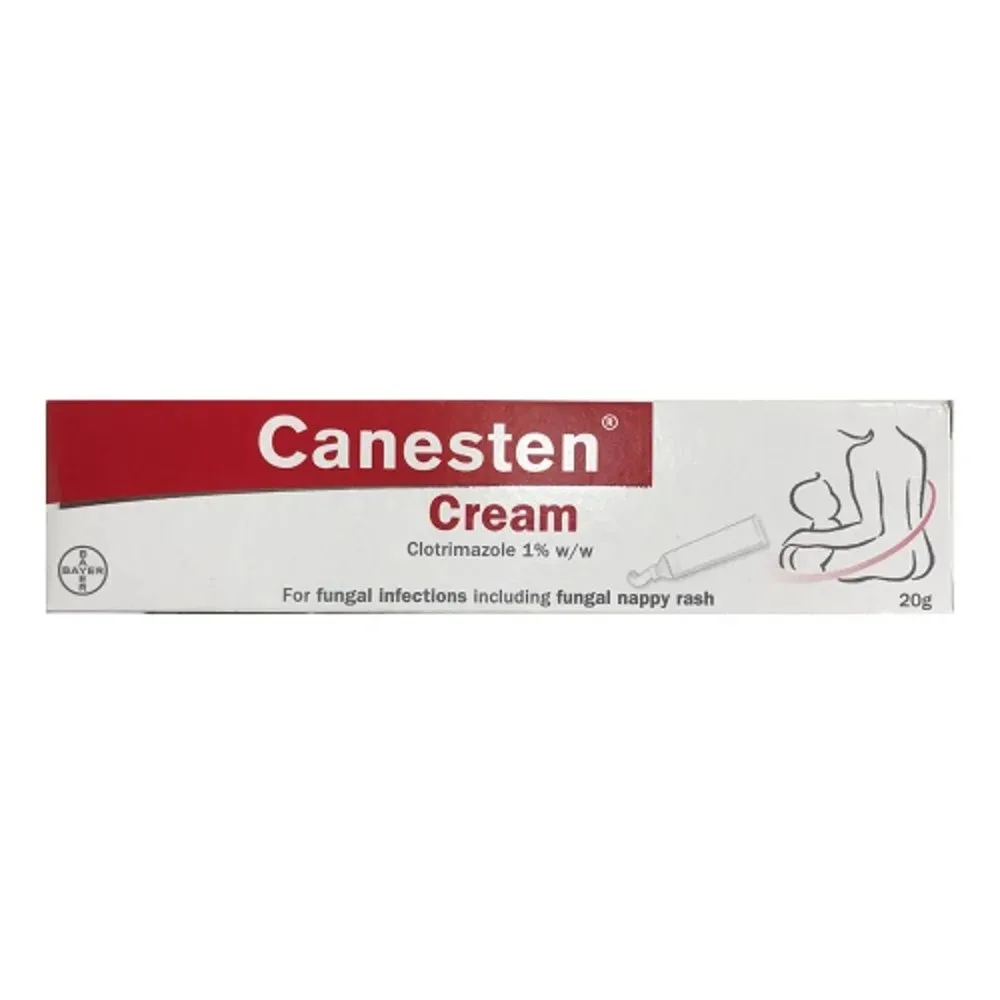 | Bayer | 1% cream, 100mg pessary, 500mg pessary | Cream/Pessary | A11-100544 |
| Clotrimaderm | Taro Pharmaceutical | 1% cream | Cream | |
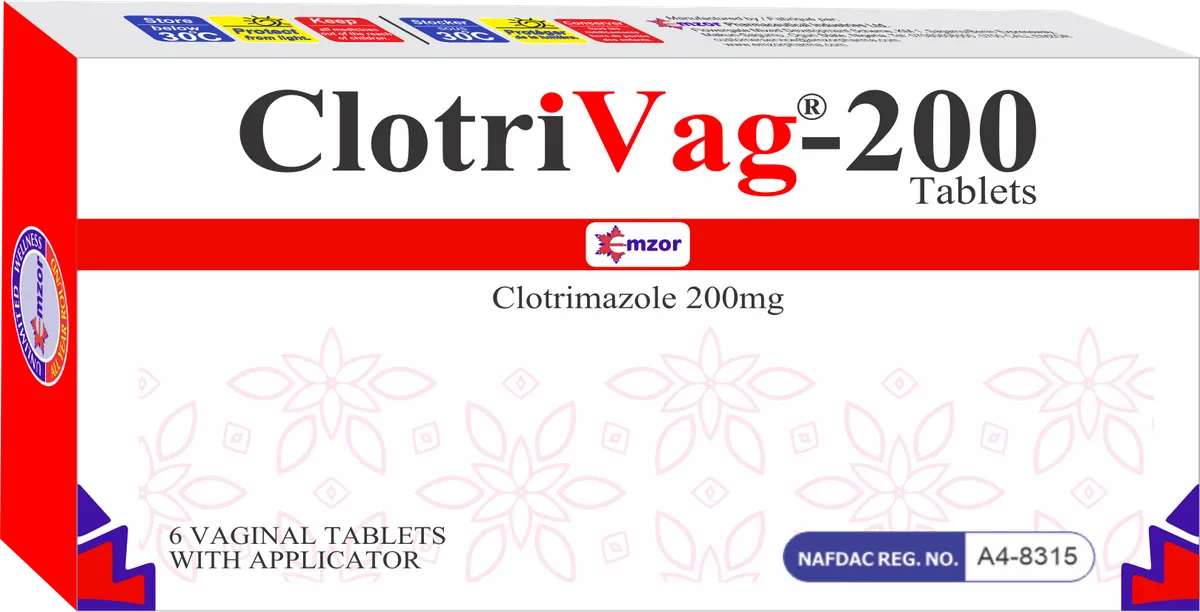 | Emzor Pharmaceutical | 200mg | Vaginal tablet | A4-8315 |
| Candid | Glenmark Pharmaceuticals Nigeria Limited | 1%, 500mg, 100mg | Powder | 04-6760 |
Clotrimazole Price in Nigeria
As of October 2026, Clotrimazole sells for about ₦13,475 for cream online in Nigeria (Canesten) at three online pharmacies; suppositories ₦21,250–₦34,920, tablets ₦20,750. The online price is down 9% since July 2026. That figure is for Canesten; 17 other clotrimazole brands are NAFDAC-registered and generic versions usually cost less. Open-market prices (e.g. Idumota, Ogbogwu) are often lower.
Online retail (sampled)
Same medicine throughout — every listing contains Clotrimazole. The difference is brand and pack size.
Cream/Ointment
median ₦13,475 · 8 listings
CheapestSabresten Clotrimazole Cream 30 g(Supermart.ng)
₦6,835PriciestCanesten Thrush Duo Cream 150g(HealthPlus)
₦57,340Suppository/Pessary
median ₦26,600 · 3 listings
CheapestCanesten Pessary 100 mg 6 Tablets(Supermart.ng)
₦21,250PriciestCanesten (Clotrimazole) 500mg Pessary x1(HealthPlus)
₦34,920Tablet/Capsule
median ₦20,750 · 1 listing
12 listings across HealthPlus + MedPlus + Supermart.ng · October 2026.
Down 9% since July 2026.
Clotrimazole price by brand
Each brand's own listings, as its page states them — the range above spans every brand and pack size.
- Canesten pricefrom ₦10,500· 10 listings
How to Verify Your Clotrimazole is Genuine
- 1Check for a valid NAFDAC registration number on the packaging — all genuine clotrimazole products sold in Nigeria must bear a NAFDAC number.
- 2Verify the NAFDAC registration number using the NAFDAC Green Book online database or the NAFDAC mobile verification app available on Android and iOS devices.
- 3For Canesten products, look for the distinctive Bayer cross logo and check that the packaging quality is consistent with genuine Bayer products — poor printing, misspellings, or flimsy packaging are red flags.
- 4Purchase from licensed pharmacies and registered patent medicine stores. Avoid buying from open market stalls, roadside vendors, or unverified online sellers.
- 5Check the packaging for a clearly printed batch number, manufacturing date, and expiry date. Reject any product with missing, smudged, or altered date information.
- 6Use the NAFDAC Mobile Authentication Service (MAS) if available — scratch the verification panel on the product and send the code via SMS to confirm authenticity.
Where to Buy
Buying Clotrimazole wholesale, by the carton
Cartons of clotrimazole are bought at Nigeria's open drug markets: Idumota Market in Lagos, Ariaria Market in Aba, Ogbogwu Market in Onitsha and Sabon Gari Market in Kano. Each guide says where the market is and how to buy there safely; where we list sellers, they are named.
- Idumota Market, Lagos · wholesale sellers in Idumota Market
- Ariaria Market, Aba
- Ogbogwu Market, Onitsha
- Sabon Gari Market, Kano
No shop we list has Clotrimazole on its confirmed product list yet — the market guides still tell you where the trade happens and how to buy there safely.
Which one are you?
I'm buying clotrimazole
Tell us what you need and the quantity, and we'll connect you with a verified, NAFDAC-registered source. Free, no obligation.
I sell clotrimazole
Get a free page where buyers look for them: your products, your number, how to find your shop. Independent of NAFDAC and government. Nothing goes live until you have seen it and approved it. Why list? →
Wherever you buy, buy only from licensed pharmacies and verified distributors — not roadside vendors — and verify the pack's NAFDAC registration before you pay. Buying Clotrimazole in bulk or for resale? See how to buy medicines in bulk in Nigeria safely.
Need Clotrimazole in bulk, or can't find it near you?
Tell us what you need and we'll connect you with a verified, NAFDAC-registered source.
What is Clotrimazole?
Nigeria's hot, humid tropical climate creates ideal conditions for fungal infections to thrive, which explains why clotrimazole is in such high demand across the country. Ringworm, known locally by various names across different ethnic groups, is one of the most common skin conditions seen in Nigerian primary healthcare centres and patent medicine stores. Vaginal candidiasis (thrush) affects a significant proportion of Nigerian women at some point in their lives, and Canesten pessaries and cream are the most recognised treatment option. The warm, moist conditions in many parts of Nigeria — particularly in the southern regions including Lagos, Benin, Port Harcourt, Calabar, and the Niger Delta areas — make fungal skin infections a year-round problem rather than a seasonal one. Children are especially vulnerable to ringworm, and outbreaks are common in Nigerian schools and crowded living environments.
Clotrimazole is available in Nigeria in several convenient forms to suit different types of fungal infections. The 1% cream is the most popular formulation, used for skin infections such as ringworm, athlete's foot, and jock itch. Vaginal pessaries (available in 100mg, 200mg, and 500mg strengths) and vaginal cream are used for treating vaginal thrush. Clotrimazole powder is useful for preventing fungal infections in skin folds and moist areas. The oral troche (lozenge) form is used for oral thrush. Canesten by Bayer is by far the most recognised brand in Nigeria, though locally manufactured alternatives from companies like Emzor Pharmaceutical are also available at more affordable prices. Clotrimazole is listed on the World Health Organisation's List of Essential Medicines, reflecting its importance in global healthcare, and it is available over the counter in Nigeria without a prescription.
What is Clotrimazole used for?
In Nigeria, Clotrimazole is commonly used for:
- Ringworm (tinea corporis) — the circular, itchy, scaly skin patches that are extremely common in Nigeria, particularly among children in schools and densely populated areas
- Vaginal thrush (vulvovaginal candidiasis) — itching, burning, and thick white discharge, very commonly treated with Canesten pessaries and cream by Nigerian women
- Athlete's foot (tinea pedis) — itchy, peeling, cracked skin between the toes, common among people who wear enclosed shoes in Nigeria's hot climate
- Jock itch (tinea cruris) — fungal infection of the groin area, common in hot, humid conditions
- Oral thrush (oropharyngeal candidiasis) — white patches in the mouth, common in infants, elderly people, and those with weakened immune systems
- Nappy rash caused by Candida — red, raw skin in the nappy area of infants, often complicated by fungal overgrowth
Dosage
IMPORTANT
Always follow your doctor's or pharmacist's instructions. The information below is for general reference only.
Adults
For skin infections (ringworm, athlete's foot, jock itch): Apply clotrimazole 1% cream thinly to the affected area and surrounding skin two to three times daily. Continue treatment for at least two weeks, and for at least one week after symptoms have cleared, to prevent recurrence. For vaginal thrush: Insert one 500mg pessary as a single dose at bedtime, OR one 200mg pessary at bedtime for three consecutive nights, OR one 100mg pessary at bedtime for six consecutive nights. Vaginal cream (10%) may be used as a single dose alternative. For oral thrush: Dissolve one 10mg troche slowly in the mouth five times daily for 14 days.
Children
Clotrimazole cream can be used in children of all ages for fungal skin infections. Apply a thin layer of 1% cream to the affected area two to three times daily. Treatment should continue for at least two weeks. For nappy rash complicated by Candida, apply cream at each nappy change after cleaning and drying the area. Oral troches for oral thrush can be used in children aged 3 years and older — one 10mg troche dissolved in the mouth five times daily. For younger children with oral thrush, consult a doctor as nystatin oral drops are generally preferred.
Elderly
No dose adjustment is required for elderly patients using topical clotrimazole. Apply cream as directed for adults. Elderly patients may have thinner, more fragile skin, so application should be gentle. For vaginal thrush in elderly women, the single-dose 500mg pessary is the most convenient option.
For best results with skin infections, wash and thoroughly dry the affected area before applying clotrimazole cream. Do not cover the treated area with airtight dressings or bandages unless directed by a doctor. It is crucial to complete the full course of treatment even if symptoms improve early — stopping too soon is the most common reason for recurrence of fungal infections. For vaginal pessaries, insert at bedtime while lying down and remain lying for at least 30 minutes to allow the pessary to dissolve properly.
Side Effects
General information for a reader holding a pack, not a substitute for a doctor or pharmacist. If something on the serious list is happening, seek care now.
Common side effects
- •Mild burning or stinging sensation at the application site — usually temporary and settles within a few minutes
- •Skin redness or irritation at the treated area
- •Itching at the application site — may briefly worsen before improving
- •Peeling or flaking of skin at the treated area
- •For vaginal pessaries: mild vaginal burning, irritation, or increased discharge after insertion
Serious side effects — seek medical help immediately
- Severe allergic reaction (contact dermatitis) — widespread rash, severe swelling, blistering, or intense burning at the application site. This is rare but requires stopping the medication immediately.
- Severe vaginal irritation, swelling, or pain after using pessaries — may indicate an allergic reaction to clotrimazole or the pessary base
- Abdominal cramps or pelvic pain after vaginal use — uncommon but should be reported to a doctor
- Systemic allergic reaction with facial swelling, difficulty breathing, or widespread hives — extremely rare with topical use but requires emergency medical attention
When to see a doctor
See a doctor if your fungal infection has not improved after two weeks of regular clotrimazole use, or if it worsens during treatment. Seek medical attention if you develop severe skin irritation, blistering, or swelling at the application site, as this may indicate an allergic reaction. For vaginal thrush, see a doctor if symptoms do not resolve within seven days of completing treatment, if you experience fever or abdominal pain, if the discharge has a foul smell (which may suggest bacterial vaginosis rather than thrush), or if you experience recurrent episodes of thrush (four or more per year). Visit the nearest hospital or clinic if you have any signs of a severe allergic reaction.
Warnings & Precautions
General information for a reader holding a pack, not a substitute for a doctor or pharmacist. If something on the serious list is happening, seek care now.
Do not take Clotrimazole if you have:
- Do not use clotrimazole if you have a known allergy to clotrimazole or other imidazole antifungals (miconazole, ketoconazole, econazole)
- Do not use vaginal pessaries if you are in the first trimester of pregnancy without medical advice
- Do not use clotrimazole in the eyes — it is for external skin, vaginal, or oral use only
- Do not self-treat with vaginal pessaries if this is your first episode of vaginal discharge — see a doctor first to confirm the diagnosis
Drug interactions
- •Latex condoms and diaphragms — clotrimazole vaginal cream and pessaries can damage latex, making condoms and diaphragms less effective. Use alternative contraception during treatment and for five days afterwards.
- •Other topical medications — avoid applying other creams or ointments to the same area at the same time as clotrimazole, as they may reduce its effectiveness or increase irritation
- •Nystatin — using clotrimazole and nystatin together may reduce the effectiveness of both antifungals
- •Tacrolimus and sirolimus — topical clotrimazole may increase blood levels of these immunosuppressant drugs if applied to large areas of broken skin
Pregnancy & Breastfeeding
Clotrimazole is generally considered safe for use during pregnancy for the treatment of vaginal thrush, but it should ideally be avoided during the first trimester unless the benefits clearly outweigh the risks. During the second and third trimesters, clotrimazole vaginal pessaries and cream are one of the preferred treatments for vaginal candidiasis in pregnancy. However, pregnant women should avoid using the vaginal applicator when inserting pessaries — instead, insert the pessary by hand. Topical clotrimazole cream for skin infections is considered safe throughout pregnancy as very little is absorbed into the bloodstream. Clotrimazole is not expected to pose a risk during breastfeeding when used topically, as systemic absorption is minimal. However, avoid applying clotrimazole cream directly on or near the nipples if breastfeeding, unless directed by a doctor.
Related Resources for Clotrimazole
Guides, articles, and tools related to Clotrimazole and other dermatology medicines in Nigeria.
Frequently Asked Questions
Sources
- •NAFDAC Greenbook — the official database of all products registered with Nigeria's National Agency for Food and Drug Administration and Control. Brand-level NAFDAC numbers for Clotrimazole on this page were cross-referenced against the Greenbook.
- •WHO Model List of Essential Medicines — Clotrimazole is included in the WHO's list of essential medicines, meaning it is considered essential for basic healthcare needs.
- •British National Formulary (BNF) dosing and interaction guidance for Clotrimazole.
- •Nigerian Standard Treatment Guidelines (Federal Ministry of Health).
Daily puzzle: Meddle — pair five brands with their medicines. New game at midnight.