Levofloxacin is a fluoroquinolone antibiotic — the same family as ciprofloxacin — but with a broader reach against the bacteria that cause pneumonia, which is why it is sometimes called a 'respiratory quinolone'. It works by blocking the bacterial enzymes DNA gyrase and topoisomerase IV, which bacteria need to copy their DNA. Without them, the bacteria cannot multiply and die. Levofloxacin is well absorbed as a tablet and reaches high levels in the lungs, urine and prostate.
In the NAFDAC register
76 registered products
from 66 registration holders
What it costs online
about ₦4,100
≈₦410 per tablet (tablet/capsule)
0% since August 2026 · like-for-like
Sampled from 3 listings across MedPlus · October 2026
Full price breakdown →Brands of Levofloxacin in Nigeria
Comes as
- Tablet500 mg· 27 makers
Those 76 products from 66 registration holders, counted in our October 2026 copy of the register, include combination products and older listings; below are the most common brands.
| Brand Name | Manufacturer | Strength | Form | NAFDAC Reg. No. |
|---|---|---|---|---|
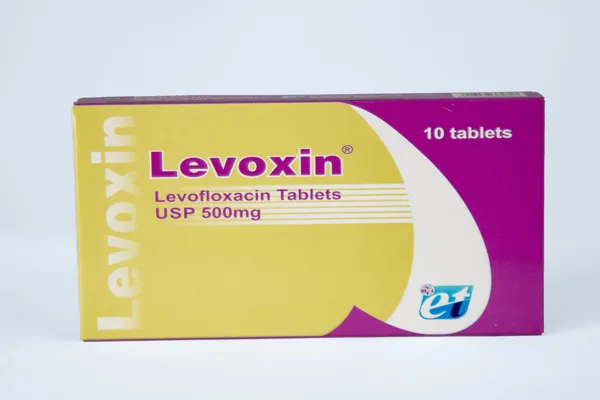 | Evans Therapeutics Limited | 500mg | Tablet | A4-100170 |
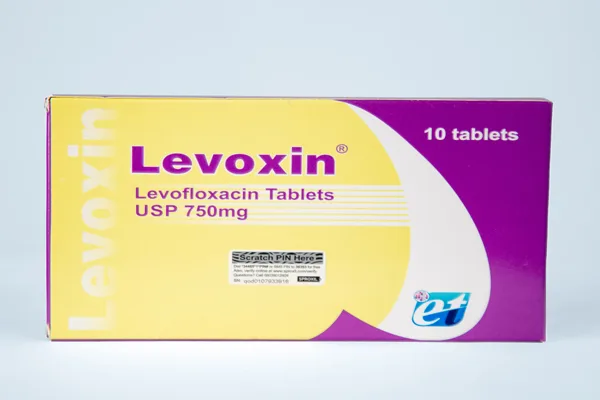 | Evans Therapeutics Limited | 750mg | Tablet | A4-100169 |
| L-Flox 500 Infusion | New Heights Pharmaceuticals Ltd | 500mg | Infusion | A4-0264 |
| Biopharma Levofloxacin | Biopharma Nigeria Limited | 500mg | Tablet | B4-6683 |
| S-Flox | Kayhelt Pharma Limited | 500mg | Tablet | A4-3454 |
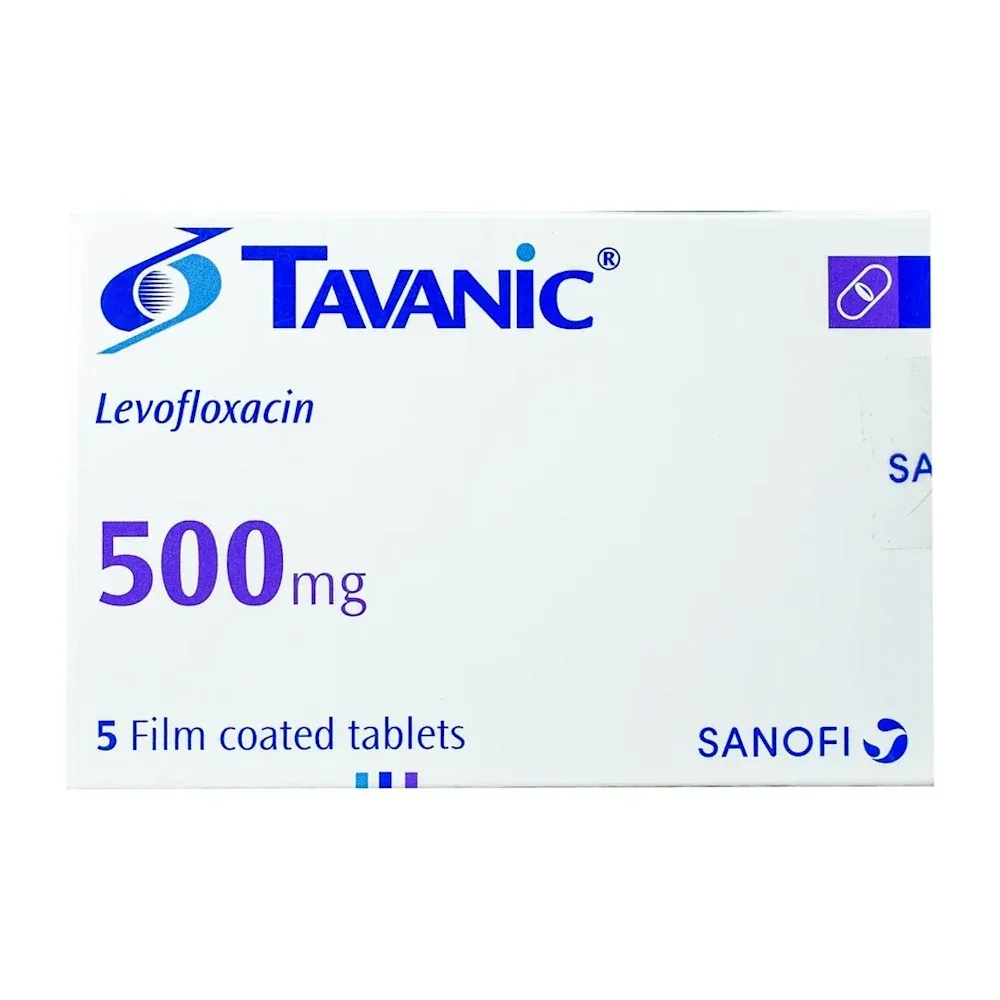 | Sanofi-Aventis | 500mg | Tablet | 04-3143 |
Levofloxacin Price in Nigeria
As of October 2026, Levofloxacin sells for about ₦4,100 online in Nigeria (₦3,600–₦5,250) (Levoxin) at MedPlus. The online price is roughly unchanged since August 2026. That figure is for Levoxin; 35 other levofloxacin brands are NAFDAC-registered and generic versions usually cost less. Open-market prices (e.g. Idumota, Ogbogwu) are often lower.
Online retail (sampled)
₦3,600 – ₦5,250median ₦4,100
3 listings across MedPlus — brands and pack sizes vary · October 2026.
tablets: about ₦410 per tablet (₦360–₦525), from the 3 listings that state a pack size.
Unchanged since August 2026.
How to Verify Your Levofloxacin is Genuine
- 1Check the NAFDAC registration number on the pack — for example, Levoxin 500 (Evans Therapeutics) carries A4-100170 in our copy of the register.
- 2Verify any levofloxacin brand's number with our NAFDAC checker before paying.
- 3Buy from a registered pharmacy rather than an open market, and inspect the batch number, expiry date and print quality.
- 4Because levofloxacin is a serious antibiotic, be wary of buying it casually over the counter without a prescription — misuse carries real, sometimes permanent, risks.
- 5Watch NAFDAC alerts for counterfeit antibiotic batches and check the register if a price looks too low.
Where to Buy
Buying Levofloxacin wholesale, by the carton
Cartons of levofloxacin are bought at Nigeria's open drug markets: Idumota Market in Lagos, Ariaria Market in Aba, Ogbogwu Market in Onitsha and Sabon Gari Market in Kano. Each guide says where the market is and how to buy there safely; where we list sellers, they are named.
- Idumota Market, Lagos · wholesale sellers in Idumota Market
- Ariaria Market, Aba
- Ogbogwu Market, Onitsha
- Sabon Gari Market, Kano
No shop we list has Levofloxacin on its confirmed product list yet — the market guides still tell you where the trade happens and how to buy there safely.
Which one are you?
I'm buying levofloxacin
Tell us what you need and the quantity, and we'll connect you with a verified, NAFDAC-registered source. Free, no obligation.
I sell levofloxacin
Get a free page where buyers look for them: your products, your number, how to find your shop. Independent of NAFDAC and government. Nothing goes live until you have seen it and approved it. Why list? →
Wherever you buy, buy only from licensed pharmacies and verified distributors — not roadside vendors — and verify the pack's NAFDAC registration before you pay. Buying Levofloxacin in bulk or for resale? See how to buy medicines in bulk in Nigeria safely.
Need Levofloxacin in bulk, or can't find it near you?
Tell us what you need and we'll connect you with a verified, NAFDAC-registered source.
What is Levofloxacin?
In Nigeria levofloxacin is commonly available as 250mg, 500mg and 750mg tablets, and as an intravenous infusion for hospital use. It is generally reserved for infections where first-line antibiotics are unsuitable or have failed — serious chest infections, complicated urinary and kidney infections, stubborn sinusitis — and it has an important specialist role in treating multidrug-resistant tuberculosis. Our copy of the NAFDAC register lists dozens of active levofloxacin registrations, most of them imported.
Like all fluoroquinolones, levofloxacin carries serious safety warnings that make it a considered choice rather than a casual one. Regulators worldwide (including the US FDA and the European Medicines Agency) advise that fluoroquinolones should not be used for minor infections that other antibiotics can treat, because of the risk of lasting damage to tendons, nerves and the nervous system. It is a WHO 'Watch' antibiotic and should only be taken on prescription after a proper assessment.
What is Levofloxacin used for?
In Nigeria, Levofloxacin is commonly used for:
- Community-acquired pneumonia, including cases needing broad cover
- Acute worsening of chronic bronchitis and other serious chest infections
- Complicated urinary tract infections and pyelonephritis (kidney infection)
- Chronic bacterial prostatitis
- Acute bacterial sinusitis unresponsive to first-line treatment
- Skin and soft tissue infections in specific situations
- Multidrug-resistant tuberculosis, as one component of a specialist regimen
Dosage
IMPORTANT
Always follow your doctor's or pharmacist's instructions. The information below is for general reference only.
Adults
Levofloxacin is usually taken once daily, an advantage over twice-daily ciprofloxacin. Typical adult doses are 500mg once daily for 7 to 14 days for pneumonia and complicated urinary infections, and 750mg once daily for shorter courses in more severe infections. The exact dose and duration depend on the infection and are set by the prescriber. Swallow with plenty of water, and take it at least 2 hours apart from antacids, iron, calcium or zinc.
Children
Levofloxacin is not routinely used in children because fluoroquinolones can affect growing cartilage and joints. It is reserved for specific, serious situations — such as certain resistant infections or drug-resistant tuberculosis — under specialist supervision, where the benefit outweighs the risk. The dose in those cases is set by a paediatric specialist.
Elderly
Older adults are at higher risk of levofloxacin's serious effects, particularly tendon rupture (especially if also taking steroids) and heart-rhythm disturbance. Doses are reduced when kidney function is impaired, which is common with age. Close attention to tendon pain and any palpitations is important.
Do not take levofloxacin within 2 hours of antacids, iron or calcium/zinc supplements, or dairy taken as a supplement — these bind the drug and cut its absorption. Stay well hydrated. Avoid strenuous exercise during and shortly after the course because of the tendon risk, and limit strong sun exposure as the skin becomes more sun-sensitive. Complete the course.
Side Effects
General information for a reader holding a pack, not a substitute for a doctor or pharmacist. If something on the serious list is happening, seek care now.
Common side effects
- •Nausea, diarrhoea and abdominal discomfort
- •Headache and dizziness
- •Difficulty sleeping
- •Skin rash and increased sensitivity to sunlight
- •Altered taste
Serious side effects — seek medical help immediately
- Tendon inflammation and rupture — especially the Achilles tendon; risk is higher over 60, with steroid use, and after organ transplant
- Peripheral neuropathy — numbness, tingling or burning in the hands and feet that can be permanent
- Central nervous system effects — seizures, confusion, hallucinations, severe anxiety or depression
- QT prolongation — a heart-rhythm change that can be dangerous, particularly with other QT-prolonging drugs
- Low blood sugar (and, less often, high blood sugar), especially in people with diabetes on treatment
- Aortic aneurysm or dissection — rare but serious; risk higher in older people and those with vascular disease
- Clostridioides difficile-associated diarrhoea
When to see a doctor
Stop levofloxacin and seek medical care immediately for tendon pain or swelling (especially around the heel), numbness or tingling in the hands or feet, palpitations or fainting, severe mood changes or confusion, symptoms of very low blood sugar (sweating, shakiness, confusion), or a severe allergic reaction. Tendon and nerve damage can persist after stopping — do not 'push through' these symptoms.
Warnings & Precautions
General information for a reader holding a pack, not a substitute for a doctor or pharmacist. If something on the serious list is happening, seek care now.
Do not take Levofloxacin if you have:
- Known allergy to levofloxacin or any fluoroquinolone
- History of tendon disorders associated with fluoroquinolone use
- Epilepsy or a lowered seizure threshold (use only if unavoidable and supervised)
- Children and adolescents, and pregnancy/breastfeeding, except in specific specialist situations
- Known long-QT syndrome or significant uncorrected electrolyte disturbance
Drug interactions
- •Antacids, iron, calcium, zinc and sucralfate — markedly reduce absorption; separate by at least 2 hours
- •Corticosteroids (e.g. prednisolone) — greatly increase the risk of tendon rupture
- •Warfarin — enhanced anticoagulant effect; monitor INR
- •Other QT-prolonging drugs (some antipsychotics, antimalarials, antiarrhythmics) — additive heart-rhythm risk
- •Diabetes medicines (insulin, sulfonylureas) — risk of disturbed blood sugar; monitor closely
- •NSAIDs — may increase the risk of central nervous system stimulation and seizures
Pregnancy & Breastfeeding
Levofloxacin is generally avoided in pregnancy because fluoroquinolones may affect the developing baby's cartilage; safer alternatives are used unless the infection is life-threatening and no option exists. It passes into breast milk and is usually avoided while breastfeeding. In both cases the decision rests with a doctor weighing the specific risks.
Related Resources for Levofloxacin
Guides, articles, and tools related to Levofloxacin and other antibiotics medicines in Nigeria.
Frequently Asked Questions
Sources
- •NAFDAC Greenbook — the official database of all products registered with Nigeria's National Agency for Food and Drug Administration and Control. Brand-level NAFDAC numbers for Levofloxacin on this page were cross-referenced against the Greenbook.
- •British National Formulary (BNF) dosing and interaction guidance for Levofloxacin.
- •Nigerian Standard Treatment Guidelines (Federal Ministry of Health).
Daily puzzle: Meddle — pair five brands with their medicines. New game at midnight.