Azithromycin is a widely used macrolide antibiotic that has become one of the most popular antibiotics in Nigeria due to its convenient short-course dosing and broad spectrum of activity. It works by binding to the 50S ribosomal subunit of bacteria, blocking their ability to produce proteins essential for growth and survival. Unlike many other antibiotics that need to be taken multiple times daily for a week or longer, azithromycin can often be given as a 3-day course or even a single dose for certain infections, making it particularly practical in a Nigerian healthcare context where adherence to long courses can be challenging.
In the NAFDAC register
141 registered products
from 95 registration holders
+2 more countries
What it costs online
about ₦3,800
≈₦634 per tablet (tablet/capsule)
0% since July 2026 · like-for-like
Sampled from 4 listings across HealthPlus and MedPlus · October 2026
Full price breakdown →Brands of Azithromycin in Nigeria
Comes as
- Tablet500 mg· 41 makers250 mg· 7 makers
- Suspension200 mg/5 mL· 8 makers
- Capsule250 mg· 4 makers500 mg· 3 makers
- Powder for suspension200 mg/5 mL· 4 makers
Those 141 products from 95 registration holders, counted in our October 2026 copy of the register, include combination products and older listings; below are the most common brands.
| Brand Name | Manufacturer | Strength | Form | NAFDAC Reg. No. |
|---|---|---|---|---|
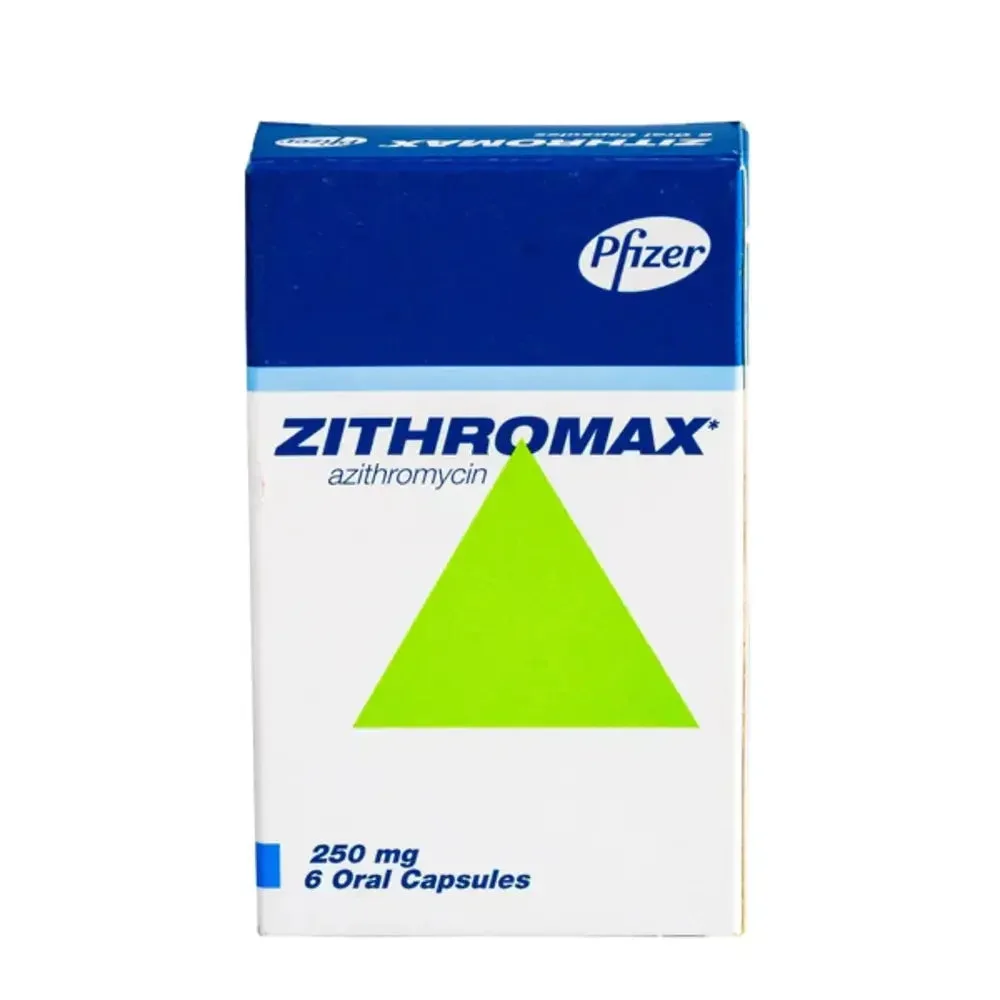 | Pfizer | 250mg, 500mg | Tablet | 04-6155 |
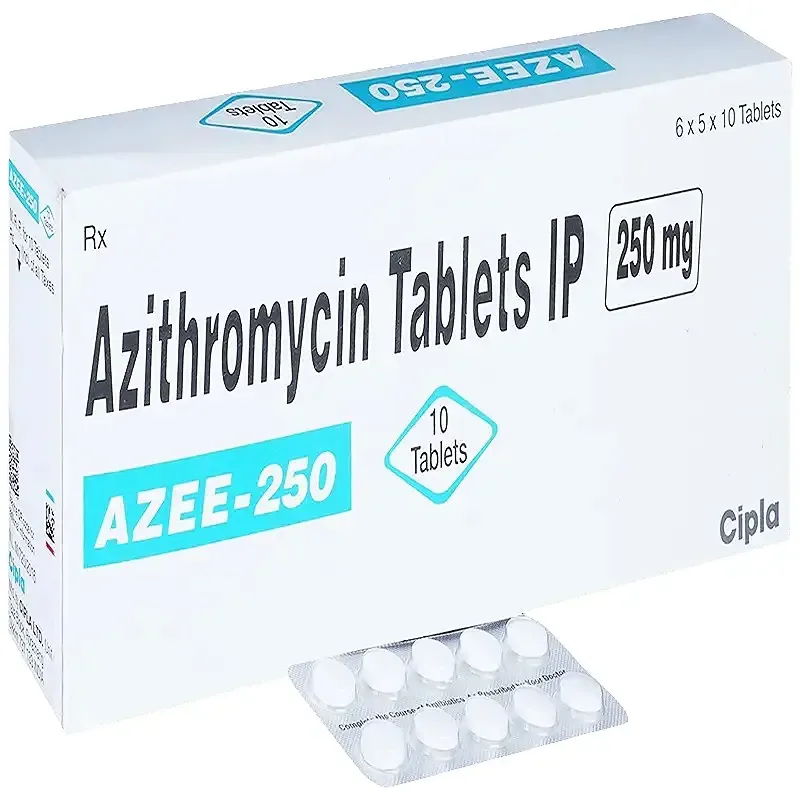 | Cipla | 500mg | Tablet | |
| Zentiva Azithromycin | Zentiva | 500mg | Tablet | |
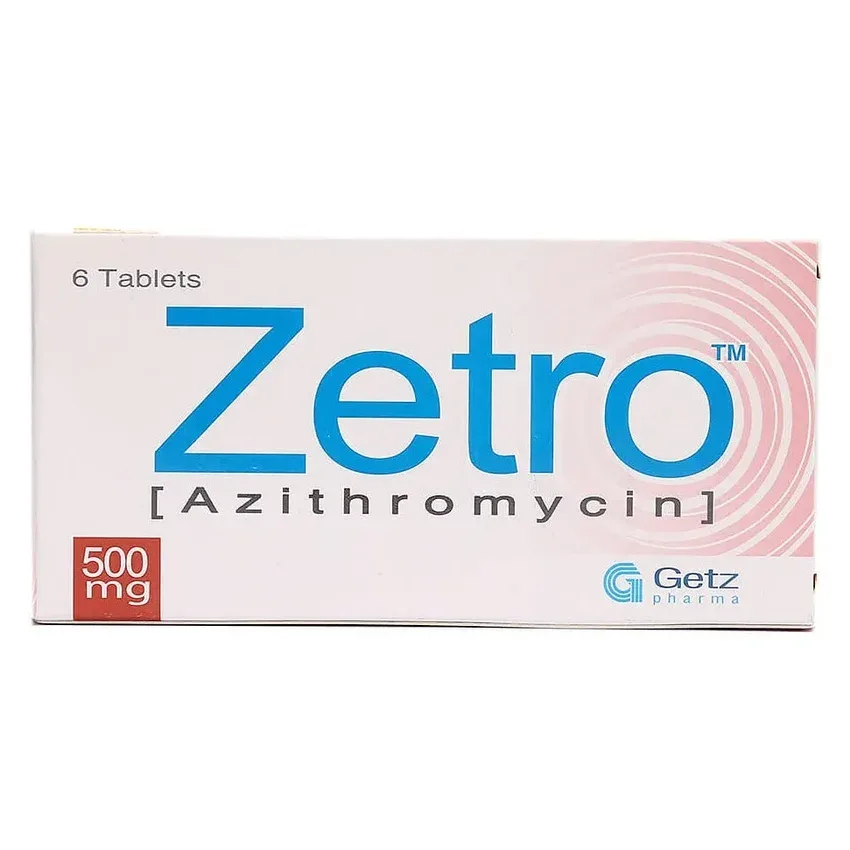 | Getz Pharma | 500mg, 250mg | Tablet | B4-4454 |
| Azilide | Geneith Pharmaceuticals Limited | 500mg, 200mg/5mL | Tablet | B4-2306 |
Azithromycin Price in Nigeria
As of October 2026, Azithromycin tablets sell for about ₦634 per tablet online in Nigeria (packs ₦1,750–₦13,900; Azilide) at HealthPlus and MedPlus. The online price is roughly unchanged since July 2026. That figure is for Azilide; 72 other azithromycin brands are NAFDAC-registered and generic versions usually cost less. Open-market prices (e.g. Idumota, Ogbogwu) are often lower.
Online retail (sampled)
₦3,900 for 6 tablets
₦13,900 for 6 tablets
Same 250mg Azithromycin — 3.6× the price for an identical pack, so the difference is the brand.
median ₦3,800 · 4 listings
CheapestHOVIMAX-250 * 6 TABS (AZITHROMYCIN) 250MG(MedPlus)
₦3,900PriciestZithromax Azithromycin 250mg Caps x6(HealthPlus)
₦13,9004 listings across HealthPlus + MedPlus — brands and pack sizes vary · October 2026.
tablets: about ₦634 per tablet (₦583–₦2,317), from the 4 listings that state a pack size.
Unchanged since July 2026.
Azithromycin price by brand
Each brand's own listings, as its page states them — the range above spans every brand and pack size.
- Azilide price₦3,700· 1 listing
- Zithromax price₦13,900· 1 listing
How to Verify Your Azithromycin is Genuine
- 1Check for a valid NAFDAC registration number on the packaging. All genuine azithromycin products sold in Nigeria must be NAFDAC-registered.
- 2Use the NAFDAC Mobile Authentication Service (MAS): scratch the security panel on the product and send the code via SMS to 38353 to verify authenticity.
- 3Purchase only from registered pharmacies. Be especially cautious of azithromycin sold at significantly discounted prices in open markets or from street vendors.
- 4Examine the packaging carefully for print quality, correct spelling, proper holographic features (if applicable), and intact seals.
- 5Verify the expiry date and storage conditions — azithromycin should be stored below 30°C, which is important in Nigeria's hot climate.
- 6If in doubt, ask your pharmacist to show you the purchase invoice from a NAFDAC-approved distributor.
Where to Buy
Buying Azithromycin wholesale, by the carton
Cartons of azithromycin are bought at Nigeria's open drug markets: Idumota Market in Lagos, Ariaria Market in Aba, Ogbogwu Market in Onitsha and Sabon Gari Market in Kano. Each guide says where the market is and how to buy there safely; where we list sellers, they are named.
- Idumota Market, Lagos · wholesale sellers in Idumota Market
- Ariaria Market, Aba
- Ogbogwu Market, Onitsha
- Sabon Gari Market, Kano
No shop we list has Azithromycin on its confirmed product list yet — the market guides still tell you where the trade happens and how to buy there safely.
Which one are you?
I'm buying azithromycin
Tell us what you need and the quantity, and we'll connect you with a verified, NAFDAC-registered source. Free, no obligation.
I sell azithromycin
Get a free page where buyers look for them: your products, your number, how to find your shop. Independent of NAFDAC and government. Nothing goes live until you have seen it and approved it. Why list? →
Wherever you buy, buy only from licensed pharmacies and verified distributors — not roadside vendors — and verify the pack's NAFDAC registration before you pay. Buying Azithromycin in bulk or for resale? See how to buy medicines in bulk in Nigeria safely.
Need Azithromycin in bulk, or can't find it near you?
Tell us what you need and we'll connect you with a verified, NAFDAC-registered source.
What is Azithromycin?
In Nigeria, azithromycin is available under brand names including Zithromax (Pfizer), Azee (Cipla), and Azithro (Ranbaxy). The 500mg tablet is the most commonly dispensed form. The drug has gained particular importance in the treatment of sexually transmitted infections (STIs), where a single 1g dose can effectively treat chlamydia — one of the most common STIs in Nigeria. It is also widely used for respiratory tract infections, typhoid fever (especially where ciprofloxacin resistance is suspected), and skin infections. Azithromycin's long half-life means it continues working in the body for several days after the last dose is taken.
Beyond individual prescriptions, azithromycin plays a unique public health role in Nigeria. It is used in mass drug administration (MDA) programmes for trachoma elimination, particularly in northern states such as Kebbi, Sokoto, Zamfara, and parts of the North-East, where trachoma — a blinding eye infection — remains endemic. The International Trachoma Initiative, in partnership with Pfizer, has donated hundreds of millions of doses of Zithromax for these programmes across Nigeria and other endemic countries. This large-scale use has been instrumental in reducing trachoma prevalence, though it has also raised concerns about the potential development of antibiotic resistance in treated communities.
What is Azithromycin used for?
In Nigeria, Azithromycin is commonly used for:
- Upper and lower respiratory tract infections including community-acquired pneumonia, bronchitis, and pharyngitis
- Sexually transmitted infections (STIs) — particularly chlamydia (single dose) and as part of combination therapy for gonorrhoea
- Typhoid fever — increasingly used as an alternative when ciprofloxacin resistance is suspected
- Skin and soft tissue infections including impetigo and erysipelas
- Otitis media (middle ear infections) in children and adults
- Trachoma — used in mass drug administration programmes in endemic areas of Nigeria
- Traveller's diarrhoea
- Mycobacterium avium complex (MAC) prophylaxis in HIV-positive patients
- Pertussis (whooping cough) — treatment and post-exposure prophylaxis
Dosage
IMPORTANT
Always follow your doctor's or pharmacist's instructions. The information below is for general reference only.
Adults
The standard adult dose for most infections is 500mg once daily for 3 days (total course: 1,500mg). Alternatively, some prescribers use a regimen of 500mg on Day 1 followed by 250mg once daily on Days 2 through 5 (total course: 1,500mg). For chlamydia and some other STIs, a single dose of 1g (two 500mg tablets) is effective. For typhoid fever, 500mg to 1g daily for 7 days may be prescribed. Take azithromycin on an empty stomach (1 hour before or 2 hours after meals) for best absorption, although it can be taken with food if stomach upset occurs.
Children
The paediatric dose is usually 10mg per kilogram on Day 1, followed by 5mg per kilogram on Days 2 through 5, given once daily. For trachoma (mass drug administration), a single dose of 20mg per kilogram (up to a maximum of 1g) is used. Azithromycin suspension (200mg/5ml) is available for children who cannot swallow tablets. Always use the measuring syringe or spoon provided. Shake the suspension well before each dose.
Azithromycin continues working in the body for about 5 days after the last dose due to its long tissue half-life. This is why a 3-day course is as effective as longer courses of other antibiotics. Do not take antacids containing aluminium or magnesium at the same time as azithromycin. Complete the full prescribed course even if you feel better after 1 or 2 days.
Side Effects
General information for a reader holding a pack, not a substitute for a doctor or pharmacist. If something on the serious list is happening, seek care now.
Common side effects
- •Diarrhoea and loose stools
- •Nausea and abdominal pain
- •Vomiting
- •Headache
- •Dizziness
Serious side effects — seek medical help immediately
- QT prolongation and cardiac arrhythmias — can cause dangerous irregular heartbeat, especially in patients with pre-existing heart conditions
- Severe allergic reactions including anaphylaxis — swelling, difficulty breathing, widespread rash
- Liver damage — jaundice, dark urine, severe abdominal pain; cholestatic hepatitis has been reported
- Clostridium difficile-associated diarrhoea — persistent, severe diarrhoea
- Hearing loss — usually reversible but can be permanent at high doses
- Stevens-Johnson syndrome and toxic epidermal necrolysis — severe blistering skin reactions
When to see a doctor
Seek immediate medical attention if you develop an irregular or rapid heartbeat, difficulty breathing, swelling of the face or throat, severe or bloody diarrhoea, yellowing of the eyes or skin, or a blistering skin rash. If you experience sudden hearing loss or ringing in the ears, stop the medication and consult your doctor promptly. In Nigeria, go to the nearest hospital emergency department — do not wait for symptoms to resolve on their own, particularly if you experience chest symptoms or difficulty breathing.
Warnings & Precautions
General information for a reader holding a pack, not a substitute for a doctor or pharmacist. If something on the serious list is happening, seek care now.
Do not take Azithromycin if you have:
- Known allergy to azithromycin, erythromycin, or any other macrolide or ketolide antibiotic
- History of cholestatic jaundice or liver dysfunction associated with prior azithromycin use
- Severe liver disease
- Known QT prolongation or concurrent use of drugs that prolong the QT interval
- Myasthenia gravis — azithromycin may worsen symptoms
Drug interactions
- •Antacids containing aluminium or magnesium — take azithromycin at least 1 hour before or 2 hours after antacids
- •Warfarin — azithromycin may enhance the anticoagulant effect; monitor INR closely
- •Digoxin — azithromycin can increase digoxin levels by altering gut bacteria that metabolise digoxin
- •Ergot alkaloids (ergotamine) — risk of dangerous ergot toxicity; concurrent use is not recommended
- •Cyclosporine — azithromycin may increase cyclosporine levels
- •Statins (atorvastatin, simvastatin) — potential increased risk of muscle damage (rhabdomyolysis)
- •Drugs that prolong QT interval (e.g., haloperidol, chloroquine, hydroxychloroquine) — increased risk of dangerous heart rhythm abnormalities
Pregnancy & Breastfeeding
Azithromycin is generally considered acceptable for use during pregnancy when the benefits outweigh the risks. Animal studies have not shown harmful effects on the foetus, and it is commonly used in pregnant women in Nigeria for chlamydia and other susceptible infections when alternatives are not suitable. Azithromycin is excreted in breast milk in small amounts but is generally considered compatible with breastfeeding. However, the infant should be monitored for diarrhoea and thrush. Always consult your doctor or pharmacist before taking any medication during pregnancy or while breastfeeding.
Used for these conditions
Related Resources for Azithromycin
Guides, articles, and tools related to Azithromycin and other antibiotics medicines in Nigeria.
Frequently Asked Questions
Sources
- •NAFDAC Greenbook — the official database of all products registered with Nigeria's National Agency for Food and Drug Administration and Control. Brand-level NAFDAC numbers for Azithromycin on this page were cross-referenced against the Greenbook.
- •WHO Model List of Essential Medicines — Azithromycin is included in the WHO's list of essential medicines, meaning it is considered essential for basic healthcare needs.
- •British National Formulary (BNF) dosing and interaction guidance for Azithromycin.
- •Nigerian Standard Treatment Guidelines (Federal Ministry of Health).
Daily puzzle: Meddle — pair five brands with their medicines. New game at midnight.