Cefuroxime is a second-generation cephalosporin antibiotic, best known in Nigeria under the brand name Zinnat (GlaxoSmithKline). It works by binding to the proteins bacteria use to build their cell walls; without an intact wall, the bacteria burst and die. Cefuroxime covers a usefully broad mix of gram-positive bacteria (like Streptococcus pneumoniae and Staphylococcus aureus) and common gram-negative ones (like Haemophilus influenzae and some E. coli), which is why doctors reach for it in chest, throat, ear, urine and skin infections.
In the NAFDAC register
180 registered products
from 95 registration holders
+1 more country
What it costs online
about ₦5,225syrup
median of 2 listings
Also sampled: tablets (2 listings, ₦6,970–₦23,230)
≈₦63 per ml (syrup/suspension)
0% since August 2026 · like-for-like
Sampled from 4 listings across HealthPlus · October 2026
Found at HealthPlus: 2 listings of syrup, only 2 of tablets. With 47 active registrations as tablets in the NAFDAC register, the headline figure above prices the syrup, not the tablets.
Full price breakdown →Brands of Cefuroxime in Nigeria
Comes as
- Tablet500 mg· 32 makers250 mg· 11 makers
- Suspension125 mg/5 mL· 10 makers
- Powder for suspension125 mg/5 mL· 9 makers
- Injection750 mg· 5 makers
- Powder for injection750 mg· 3 makers
Those 180 products from 95 registration holders, counted in our October 2026 copy of the register, include combination products and older listings; below are the most common brands.
| Brand Name | Manufacturer | Strength | Form | NAFDAC Reg. No. |
|---|---|---|---|---|
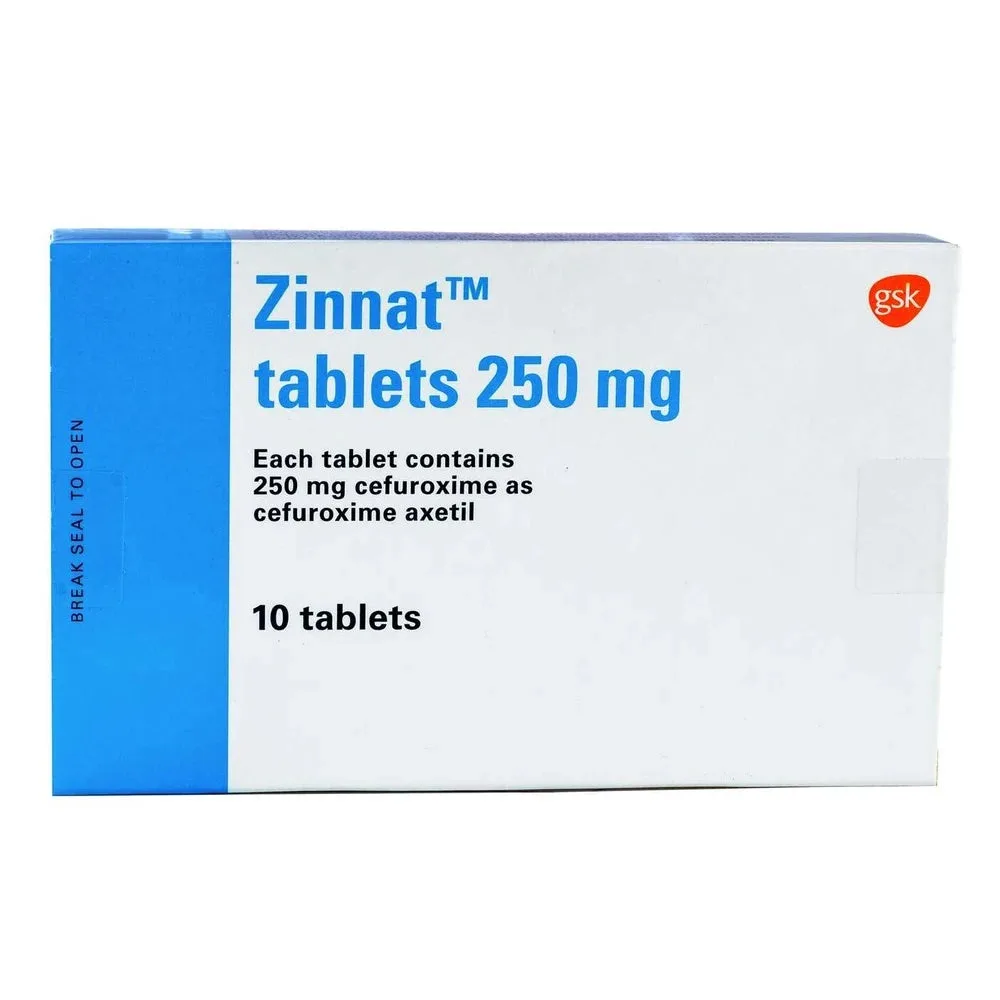 | GlaxoSmithKline | 250mg | Tablet | 04-0433 |
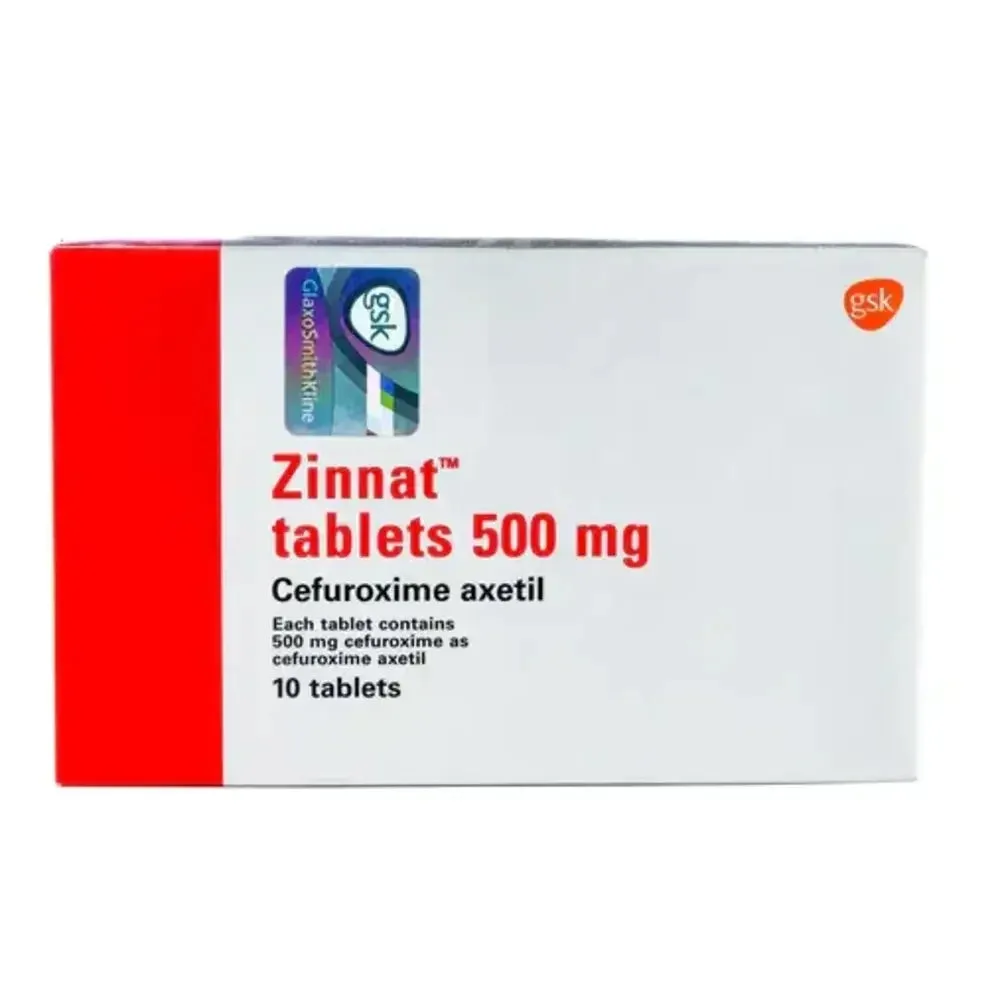 | GlaxoSmithKline | 500mg | Tablet | A4-4680 |
| Agcef | AnnyGod Pharmaceutical Company Ltd | 500mg | Tablet | A4-100138 |
| Axcel Cefuroxime-250 | Dortemag Ventures Limited | 250mg | Capsule | A4-2996 |
| Supacef | Superior Pharmaceuticals Limited | 750mg | Injection | B4-2985 |
Cefuroxime Price in Nigeria
As of October 2026, Cefuroxime syrup sells for about ₦63 per ml online in Nigeria (packs ₦4,590–₦5,860) at HealthPlus; tablets ₦6,970–₦23,230. The online price is roughly unchanged since August 2026. That figure is for Zinnat; 80 other cefuroxime brands are NAFDAC-registered and generic versions usually cost less. Open-market prices (e.g. Idumota, Ogbogwu) are often lower.
Online retail (sampled)
Syrup/Suspension
₦4,590 – ₦5,860 · 2 listings · ≈₦63 per ml
Tablet/Capsule
₦6,970 – ₦23,230 · 2 listings · ≈₦1,510 per tablet
4 listings across HealthPlus · October 2026.
Unchanged since August 2026.
How to Verify Your Cefuroxime is Genuine
- 1Check for a valid NAFDAC registration number on the pack — Zinnat 250mg tablets, for example, carry 04-0433 in our copy of the register.
- 2Zinnat is one of the more counterfeited premium antibiotics in West Africa: buy it from a registered pharmacy, not open drug markets, and inspect print quality, batch number and expiry date.
- 3Use our NAFDAC checker to confirm the registration number on any cefuroxime brand before paying.
- 4Be suspicious of a 'Zinnat' priced far below every pharmacy around it — a premium imported brand at a giveaway price is the classic counterfeit signature.
- 5Where the genuine premium brand is out of budget, a NAFDAC-registered generic cefuroxime verified through the register is a safer choice than a doubtful 'original'.
Where to Buy
Buying Cefuroxime wholesale, by the carton
Cartons of cefuroxime are bought at Nigeria's open drug markets: Idumota Market in Lagos, Ariaria Market in Aba, Ogbogwu Market in Onitsha and Sabon Gari Market in Kano. Each guide says where the market is and how to buy there safely; where we list sellers, they are named.
- Idumota Market, Lagos · wholesale sellers in Idumota Market
- Ariaria Market, Aba
- Ogbogwu Market, Onitsha
- Sabon Gari Market, Kano
No shop we list has Cefuroxime on its confirmed product list yet — the market guides still tell you where the trade happens and how to buy there safely.
Which one are you?
I'm buying cefuroxime
Tell us what you need and the quantity, and we'll connect you with a verified, NAFDAC-registered source. Free, no obligation.
I sell cefuroxime
Get a free page where buyers look for them: your products, your number, how to find your shop. Independent of NAFDAC and government. Nothing goes live until you have seen it and approved it. Why list? →
Wherever you buy, buy only from licensed pharmacies and verified distributors — not roadside vendors — and verify the pack's NAFDAC registration before you pay. Buying Cefuroxime in bulk or for resale? See how to buy medicines in bulk in Nigeria safely.
Need Cefuroxime in bulk, or can't find it near you?
Tell us what you need and we'll connect you with a verified, NAFDAC-registered source.
What is Cefuroxime?
The oral form is cefuroxime axetil — a 'prodrug' that the body converts to active cefuroxime after absorption. It comes as 250mg and 500mg tablets and a 125mg/5ml suspension for children. There is also an injectable form (cefuroxime sodium, 750mg and 1.5g vials) used in hospitals for more serious infections and to prevent infection around surgery. In our copy of the NAFDAC register, cefuroxime has one of the largest antibiotic footprints of any molecule without a famous generic name — dozens of active registrations, most of them imported.
Cefuroxime sits in the WHO 'Watch' group of antibiotics: effective, but with a higher potential to drive resistance when used loosely. In Nigeria it is often bought for any fever or cough, which is exactly the pattern that breeds resistant bacteria. It should be taken only when a clinician has judged that a bacterial infection is likely and that an Access-group antibiotic (like amoxicillin) is not the better choice.
What is Cefuroxime used for?
In Nigeria, Cefuroxime is commonly used for:
- Community-acquired pneumonia and flare-ups of chronic bronchitis
- Middle ear infection (otitis media), sinusitis, and tonsillitis/pharyngitis
- Urinary tract infections
- Skin and soft tissue infections (cellulitis, infected wounds)
- Early Lyme disease (rare in Nigeria, but a recognised indication)
- Gonorrhoea in specific regimens (only under medical direction — resistance patterns matter)
- Surgical prophylaxis and serious infections (injection form, hospital use)
Dosage
IMPORTANT
Always follow your doctor's or pharmacist's instructions. The information below is for general reference only.
Adults
For most infections the adult dose is 250mg twice daily by mouth; for more severe chest infections and pyelonephritis doctors prescribe 500mg twice daily. Uncomplicated urinary infections are often treated with 125mg to 250mg twice daily. Cefuroxime axetil tablets should be taken shortly after food — absorption is meaningfully better with a meal. Courses typically run 5 to 10 days depending on the infection; complete the course even if you feel well.
Children
Children are usually given the suspension: commonly 10mg per kg twice daily (up to 125mg twice daily) for mild infections, and 15mg per kg twice daily (up to 250mg twice daily) for otitis media and more severe infections. Shake the bottle well, use a proper measuring spoon or syringe, and keep the reconstituted suspension refrigerated and discarded after the period stated on the pack. A doctor or pharmacist should confirm the dose against the child's weight.
Elderly
No routine dose change is needed in older adults with normal kidney function, but kidney function declines with age and cefuroxime is cleared by the kidneys — doctors reduce the dose or lengthen the interval when kidney function is significantly impaired.
Take the tablets after food and swallow them whole — crushing cefuroxime axetil tablets releases a strongly bitter taste and can affect absorption. Do not 'chase away' every fever with an antibiotic: malaria, which needs a completely different treatment, remains the commonest cause of fever in Nigeria. If symptoms have not begun improving after 48–72 hours on cefuroxime, go back to the clinic rather than adding another antibiotic yourself.
Side Effects
General information for a reader holding a pack, not a substitute for a doctor or pharmacist. If something on the serious list is happening, seek care now.
Common side effects
- •Diarrhoea, nausea and abdominal discomfort
- •Headache and dizziness
- •Bitter or metallic taste
- •Skin rash
- •Thrush (oral or vaginal candidiasis) after longer courses
Serious side effects — seek medical help immediately
- Severe allergic reactions (swelling of face or throat, difficulty breathing, widespread rash) — cephalosporins can cross-react in people with penicillin allergy
- Clostridioides difficile-associated diarrhoea — severe, watery or bloody diarrhoea during or after treatment
- Severe skin reactions such as Stevens-Johnson syndrome (blistering, peeling skin, mouth sores) — rare
- Liver enzyme disturbances and, rarely, jaundice
- Blood disorders (unusual bruising, persistent sore throat, pallor) — rare
When to see a doctor
Stop the medicine and seek urgent care for any sign of a serious allergic reaction — facial swelling, wheezing, difficulty breathing, or a rapidly spreading rash. See a doctor promptly for severe or bloody diarrhoea (do not simply take loperamide), yellowing of the eyes, or a blistering rash. If you have ever had a serious reaction to penicillin, tell the prescriber before taking any cephalosporin.
Warnings & Precautions
General information for a reader holding a pack, not a substitute for a doctor or pharmacist. If something on the serious list is happening, seek care now.
Do not take Cefuroxime if you have:
- Known allergy to cefuroxime or any cephalosporin antibiotic
- History of severe, immediate penicillin allergy (anaphylaxis) — discuss alternatives with your doctor
- Previous severe skin reaction to a beta-lactam antibiotic
Drug interactions
- •Antacids and acid-reducing drugs (omeprazole, ranitidine) — can reduce absorption of cefuroxime axetil; separate doses where possible
- •Probenecid — raises cefuroxime blood levels
- •Warfarin — cephalosporins can enhance the anticoagulant effect; monitor INR
- •Oral contraceptives — antibiotics can occasionally reduce reliability during diarrhoea/vomiting; use additional precautions if unwell
- •Live typhoid vaccine (oral) — antibiotics blunt the vaccine response; separate by at least 72 hours
Pregnancy & Breastfeeding
Cefuroxime crosses the placenta but has a long record of use without evidence of harm; it is generally considered one of the safer antibiotic choices in pregnancy when an antibiotic is genuinely needed — always on a doctor's advice. Small amounts pass into breast milk and may occasionally cause loose stools or thrush in the baby; breastfeeding is usually continued, with the infant observed.
Related Resources for Cefuroxime
Guides, articles, and tools related to Cefuroxime and other antibiotics medicines in Nigeria.
Frequently Asked Questions
Sources
- •NAFDAC Greenbook — the official database of all products registered with Nigeria's National Agency for Food and Drug Administration and Control. Brand-level NAFDAC numbers for Cefuroxime on this page were cross-referenced against the Greenbook.
- •British National Formulary (BNF) dosing and interaction guidance for Cefuroxime.
- •Nigerian Standard Treatment Guidelines (Federal Ministry of Health).
Daily puzzle: Meddle — pair five brands with their medicines. New game at midnight.